

Choosing between electronic and mechanical locks? This guide explores the pros, cons, and features of both modern and traditional lock types to help Canadian homeowners make the right security choice. Learn how to select the best lock for your needs and lifestyle.
Understanding the Basics: What Are Electronic and Mechanical Locks?
When it comes to securing your home, the type of lock you choose plays a major role. With advances in lock technology, homeowners in Canada now have more lock types to choose from than ever before. Two of the main categories are electronic locks and mechanical locks. Understanding their differences can help you make a smart and secure choice for your property.
What Are Mechanical Locks?
Mechanical locks, often referred to as traditional locks, are the most common and time-tested option. They use physical keys and internal mechanisms—like pins, levers, or tumblers—to operate. Common types include deadbolts, knob locks, and mortise locks.
Features of Mechanical Locks
- Operated by a physical key
- Do not require electricity or batteries
- Simple to use and install
- Lower upfront cost
Mechanical locks are especially popular in older homes throughout Canada that follow conventional building codes. They are also preferred by homeowners who value simplicity and reliability.
What Are Electronic Locks?
Electronic locks, also called digital locks or smart locks, rely on electronics to control access. These locks can be operated using a keypad, smartphone app, key fob, fingerprint scanner, or even voice commands.
Features of Electronic Locks
- No physical key required (though most have a backup key option)
- Battery-powered or hardwired
- Can integrate with smart home systems
- Remote access and control options
Electronic locks are becoming increasingly popular in urban centres like Toronto, Vancouver, and Calgary, where homeowners are embracing modern locks as part of their smart home ecosystems.
Key Differences Between Electronic and Mechanical Locks
Choosing between electronic vs mechanical locks depends on your security needs, lifestyle, and preferences. Let’s take a detailed look at how these two lock types compare across various categories.
1. Installation and Compatibility
Mechanical Locks
Mechanical locks are generally easier to install. Most Canadian homes are already designed to accommodate them, and installation can often be done without professional help. However, hiring a residential locksmith in Toronto ensures compliance with local building codes and maximum security.
Electronic Locks
Electronic locks may require more complex installation, especially if you’re integrating them with smart home devices. Some models need wiring, while others are battery-operated. In either case, it’s best to have a professional install them to ensure proper function and avoid compatibility issues with doors or frames.
2. Security Levels
Mechanical Locks
High-quality mechanical locks offer strong security when properly installed. However, they are vulnerable to lock picking, bumping, and key duplication. Upgrading to high-security mechanical locks with anti-pick and anti-bump features can help reduce these risks.
Electronic Locks
Electronic locks offer advanced security options like auto-locking, tamper alerts, and activity logs. Smart models allow homeowners to monitor who enters and exits remotely. While they’re resistant to traditional picking methods, they can be vulnerable to hacking or power failures. Choosing models with encryption and backup options is key.
3. Convenience and Accessibility
Mechanical Locks
Mechanical locks require carrying a key, which can be lost or stolen. They’re simple but lack the convenience of remote access or temporary codes for guests or service providers.
Electronic Locks
Electronic locks shine in terms of convenience. You can unlock your door with a PIN, smartphone, or even a fingerprint. Many models allow you to create temporary access codes, making them ideal for Airbnb hosts or busy households with multiple members.
4. Power and Backup Systems
Mechanical Locks
One major advantage of mechanical locks is they don’t rely on power or batteries. You’ll never be locked out due to a dead battery or power outage.
Electronic Locks
Since electronic locks require power, battery life is a key consideration. Most models will alert you when batteries are low, and many have a mechanical key override for emergencies. If you’re in a region like rural Ontario where power outages are more frequent, choosing a model with long battery life or backup power is essential.
Pros and Cons of Each Lock Type
To help you make the right choice, here’s a breakdown of the pros and cons of digital vs traditional lock systems.
Mechanical Locks
Pros
- Cost-effective and widely available
- Reliable and easy to maintain
- No need for power or batteries
- Simple operation
Cons
- Limited functionality
- Keys can be lost or copied
- Vulnerable to picking and bumping
- No remote access or monitoring
Electronic Locks
Pros
- Convenient keyless entry
- Remote access and control
- Customizable access codes for family and guests
- Activity logs and security alerts
Cons
- Higher upfront cost
- Requires batteries or wiring
- Potential for technical issues
- May be vulnerable to cyber threats
When to Choose Electronic Locks
Electronic locks are a great choice for Canadian homeowners who value convenience, smart technology, and enhanced control over their home’s security. Here’s when they make the most sense:
- You want to integrate with smart home systems like Alexa or Google Home
- You often have guests or short-term renters and want to issue temporary codes
- You prefer not to carry or manage physical keys
- You want to monitor and control access remotely
If you need expert locksmith assistance upgrading to modern locks, contact our certified technicians at Fix Find for professional advice and installation.
Best Uses for Electronic Locks
- Urban homes and condos
- Smart home systems
- Rental properties or Airbnb units
- Homes with frequent visitors or service personnel
When to Choose Mechanical Locks
On the other hand, mechanical locks remain a solid option for homeowners who prioritize simplicity, reliability, and affordability. They work well in areas with limited access to smart infrastructure or where power reliability is a concern.
- You live in a rural or remote area with frequent power outages
- You want a low-maintenance, cost-effective solution
- You prefer traditional security and are comfortable using keys
- You need a backup to your electronic system
For professional locksmith services in your area, Fix Find’s emergency locksmiths in Toronto are ready to help 24/7 with lock installations, repairs, and replacements.
Best Uses for Mechanical Locks
- Cottages or seasonal homes
- Older properties without smart technology
- Backup locks in case of electronic failure
- Budget-conscious homeowners
Hybrid and Dual-Function Locks: The Best of Both Worlds
If you’re torn between digital vs traditional locks, consider a hybrid system. These locks combine the mechanical reliability of traditional systems with the convenience and features of electronic locks.
How Hybrid Locks Work
Hybrid locks offer both a keyhole and a keypad or smart entry feature. This means you can use a physical key if needed but also enjoy the benefits of keyless entry and remote access. Some models even allow fingerprint access or integration with mobile apps.
Benefits of Hybrid Locks
- Redundancy in case of power failure
- Flexible access options
- Ideal for families with varied preferences
- Enhanced lock features and convenience
These locks are particularly suitable for commercial locksmith applications in Canada, where business owners need both robust security and easy access for employees.
Popular Hybrid Lock Brands in Canada
- Schlage Encode
- Yale Assure Lock
- Weiser Halo Touch
- August Smart Locks with key override
When choosing a hybrid lock, always ensure the model meets Canadian security standards such as ULC (Underwriters Laboratories of Canada) certification.
Factors to Consider When Choosing Between Lock Types
Before you decide between electronic and mechanical locks, consider the following:
1. Type of Property
Is it your primary residence, a vacation home, or a rental property? For high-traffic or rental spaces, electronic locks with changeable codes are more practical. For seldom-used cottages, mechanical locks may be more reliable.
2. Budget
Mechanical locks are generally more affordable upfront, while electronic locks may involve higher costs for the device, installation, and potential maintenance. However, the added features might justify the investment.
3. Level of Security Needed
Do you live in a high-crime neighbourhood or a secure gated community? Your security needs should influence your choice. High-security mechanical locks or encrypted electronic systems can offer peace of mind.
4. User Preferences
Some homeowners prefer the tactile feel of a key, while others enjoy the ease of smartphone control. Consider who will be using the lock regularly—children, seniors, guests—and choose accordingly.
5. Local Climate
In Canadian winters, keypads on electronic locks can freeze or become less responsive. Look for locks rated for low temperatures or opt for mechanical options in extreme climates.
Still unsure which option best suits your needs? If you need expert locksmith guidance, Fix Find offers trusted advice for homes, vehicles, and businesses across Canada.
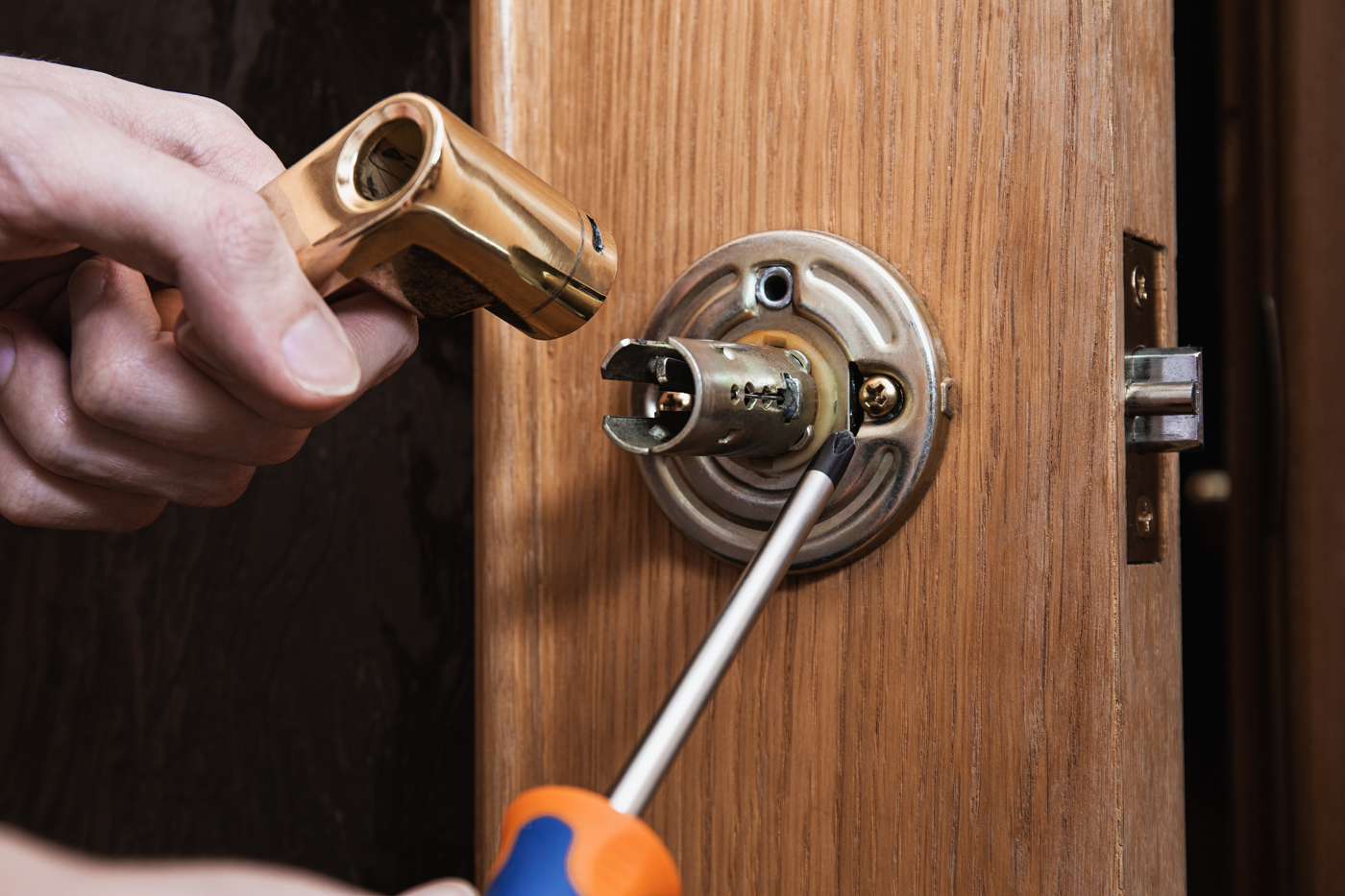
Comparing Lock Features: Functionality and Customization
When selecting between electronic and mechanical locks, it’s important to evaluate the specific lock features that matter most to your household. Whether you’re focused on user access, customization, or smart integration, understanding how each type performs helps you make an informed decision.
Access Methods
Mechanical Locks
Mechanical locks are straightforward in their design. They rely exclusively on a key, making them ideal for those who appreciate traditional simplicity. However, this also means limited flexibility. Only people with a physical key can access the property, and duplicating keys can pose security risks.
Electronic Locks
Electronic locks offer a variety of entry methods including PIN codes, biometric scans, smartphone apps, and even proximity sensors or voice activation. This allows homeowners to easily provide access to family members, guests, or service personnel without handing over a physical key. You can change or disable codes anytime, enhancing security and flexibility.
User Management
Mechanical Locks
Managing access with mechanical locks involves physically handing out and collecting keys. This can become difficult if you have multiple users or frequently changing occupants, such as in rental properties or shared homes.
Electronic Locks
Modern lock technology allows you to manage users digitally. You can assign unique access codes to each user and track when each code is used. Many electronic locks also let you schedule access—for example, only allowing a dog walker entry on weekdays between 1 and 3 PM. This is especially useful for busy households or properties with frequent visitors.
Customization and Integration
Mechanical Locks
Traditional locks offer limited customization. You can choose from various styles, finishes, and levels of pick resistance, but functionality remains mostly the same.
Electronic Locks
Modern locks can be highly customizable. Depending on the model, you can integrate them with home automation systems, security cameras, alarm systems, and even lighting. For example, unlocking the door could trigger your hallway lights to turn on or disarm your home security system. These smart integrations improve both convenience and safety.
Maintenance and Longevity of Lock Types
Understanding the long-term care and durability of your lock system is essential. While both electronic and mechanical locks offer reliable security, their maintenance requirements and expected lifespan differ.
Mechanical Locks
Mechanical locks are known for their durability. With proper installation and occasional lubrication, a high-quality mechanical lock can last decades. However, they are subject to wear and tear, especially if used frequently. Keys can become worn, and lock cylinders may need to be rekeyed over time.
Maintenance for mechanical locks is relatively simple. Regular cleaning and checking for signs of rust or misalignment can keep them functioning smoothly. For heavily used locks, especially on exterior doors, a periodic check by a residential locksmith in Toronto ensures continued performance and security.
Electronic Locks
Electronic locks offer more advanced features but come with additional maintenance needs. Batteries typically need to be replaced every 6 to 12 months, depending on usage and model. Some smart locks provide real-time battery level alerts, while others include emergency power ports or mechanical key overrides.
Firmware updates may be required to keep your system secure and compatible with other devices. If your lock is connected to your Wi-Fi network or smart home system, occasional software updates will enhance its features and prevent cyber vulnerabilities.
Durability in Canadian Conditions
Canada’s diverse climate can impact lock performance. Mechanical locks can freeze in extreme cold, especially in northern provinces. Regular de-icing spray or weatherproof covers can help. Many electronic locks are rated for outdoor use and come with weather-resistant casings, but always check the product specs for Canadian winter compatibility.
Security Considerations for Canadian Homeowners
Your home’s location, layout, and exposure to potential threats should guide your lock selection. While both electronic and mechanical locks offer security, they do so in different ways, and combining both may offer the best protection.
Mechanical Lock Security
High-quality mechanical locks made with hardened steel and anti-drill plates can provide excellent physical resistance. Look for locks with CSA or ULC certification to ensure they meet Canadian security standards. Consider adding a deadbolt or reinforcing strike plates for added protection.
Electronic Lock Security
Electronic locks provide digital safeguards like tamper alarms, lockout modes after failed attempts, and two-factor authentication. Top-tier models use encrypted communication to prevent hacking. You can also receive real-time alerts if someone tampers with the lock or tries to gain unauthorized access.
Layered Security Strategy
For optimal protection, many Canadian homeowners use a layered security approach. This includes combining traditional security measures like mechanical deadbolts with smart locks on secondary doors or entry points. Motion sensors, cameras, and alarm systems further enhance your home’s defence.
Professional locksmiths, like those at Fix Find, can help you design a complete home security system tailored to your property’s layout and risk factors.
Choosing the Right Lock for Your Lifestyle
Every household is unique, and the ideal lock types depend on how you live, who needs access, and your comfort level with technology. Here’s how different lifestyles and routines may influence your choice.
Families with Children
Electronic locks are ideal for families with school-aged children. Instead of worrying about your child losing their key, you can assign them a PIN code. Some smart locks even send notifications when the door is unlocked, so you know your kids made it home safely.
Seniors and Accessibility Needs
For seniors or individuals with limited mobility, electronic locks with voice control, fingerprint entry, or smartphone integration can be a more accessible option. No need to fumble with keys or twist stiff knobs—just tap or speak to unlock the door.
Frequent Travellers
If you travel often, electronic locks offer peace of mind. You can lock or unlock your doors remotely, check access logs, or give temporary codes to pet sitters, cleaners, or neighbours. This flexibility is especially valuable for Canadians who spend weekends at a cottage or travel south during winter months.
DIY and Budget-Conscious Homeowners
If you prefer to handle home upgrades yourself, mechanical locks are easy to install with basic tools. They’re also more affordable, making them a smart choice for budget-focused households or those upgrading multiple doors at once.
Urban vs Rural Living
Urban homeowners often benefit from the smart features of modern locks, especially in areas with delivery services, shared living arrangements, or rental units. In contrast, rural residents may favour mechanical locks for their reliability during power outages and minimal maintenance needs.
Professional Installation vs DIY: What’s Best?
While many lock systems are designed for DIY installation, professional setup ensures your locks function properly and meet safety standards. This is especially important for electronic locks or properties with unique door frames or older hardware.
When to DIY
- Replacing an existing mechanical lock with the same type
- Installing a battery-operated smart lock with simple instructions
- You’re comfortable using tools and have a standard door frame
When to Call a Professional
- You’re integrating locks with a smart home system
- The door or frame needs modifications
- You’re unsure which lock best suits your property
- You want to ensure your lock is installed to code
If you’re unsure or prefer peace of mind, our certified technicians at Fix Find offer expert installation services across Canada. Whether it’s a single door or an entire property, we make sure your locks are secure and functioning flawlessly.
Upgrading Your Locks: When and Why
Whether you’re dealing with outdated hardware or upgrading for better security, knowing when to change your locks is important. Here are signs it’s time for a lock upgrade:
1. You’ve Just Moved In
Always change the locks when moving into a new home. You never know how many copies of the old keys are out there. Consider upgrading to a modern lock system for added control and peace of mind.
2. Lost or Stolen Keys
If you’ve lost your keys or suspect they were stolen, change your locks immediately. Upgrading to electronic locks eliminates this worry altogether, as you can simply change the access code instead of replacing the entire lock.
3. Wear and Tear
Locks wear out over time. If your key sticks, the lock feels loose, or it’s showing signs of rust, it’s time for a replacement. A faulty lock is a security risk that should not be ignored.
4. You Want More Control
If you’re looking for features like scheduled access, remote locking, or activity tracking, upgrading to an electronic system is a smart move. For business owners or landlords, this greatly simplifies access management.
5. Renovations or Home Upgrades
When upgrading doors, windows, or your home’s exterior, it’s a good time to review your security options. Matching your new aesthetic with a sleek electronic or hybrid lock not only enhances style but boosts safety too.
Conclusion: Making the Right Lock Selection
Choosing between electronic and mechanical locks isn’t just a matter of preference—it’s about finding the right fit for your home, lifestyle, and security needs. Mechanical locks offer reliability, affordability, and simplicity, making them ideal for many Canadian households. Meanwhile, electronic locks bring convenience, control, and smart features that cater to modern living.
For many homeowners, a hybrid system combining both traditional and digital elements may offer the best of both worlds. Whether you’re looking to secure a downtown condo, a rural retreat, or a busy family home, Fix Find is here to help.
Contact Fix Find today for expert advice, installation, and repair services tailored to your specific needs. With certified professionals and decades of experience, we’re proud to be Canada’s trusted locksmith solution—keeping your home safe, smart, and secure.

