

Living near the coast in Canada offers beautiful views and fresh ocean air, but it also brings special challenges for home security. This article explores how humidity, salt air, and marine environments affect locks and offers practical coastal lock maintenance tips to protect your property.
Understanding the Impact of Coastal Climates on Locks
If you live in a coastal region in Canada—like British Columbia’s shoreline or the Atlantic provinces—you’re already familiar with the damp air, constant sea breeze, and frequent fog. What many homeowners don’t realise is how these conditions can have a long-term impact on the functionality and durability of your locks and home security systems. The salty, humid air typical of marine environments can cause corrosion, rust, and even lock failure. That’s why coastal lock maintenance is a crucial part of protecting your coastal property.
Humidity Effects on Lock Mechanisms
High humidity levels are common in coastal areas, especially during the spring and summer months. Moisture in the air can easily seep into the internal components of your locks. Over time, this exposure leads to:
- Swollen wood around doors and frames, affecting lock alignment
- Condensation inside lock cylinders causing internal rust
- Sticking or jamming of keys and handles
Even modern lock technologies, like electronic smart locks, can suffer from humidity-related issues. Excess moisture can interfere with the internal circuit boards, reduce battery life, and trigger malfunctioning sensors. For those living in areas like Halifax, Victoria, or St. John’s, where coastal fog is frequent, regular lock maintenance becomes even more essential.
Salt Air Corrosion and Its Long-Term Damage
Salt air corrosion is one of the most damaging effects of living near the coast. Salty particles carried in the wind settle on metal surfaces, including your locks, door handles, and hinges. This salt accelerates the rusting process, especially when combined with moisture. The result? Quick deterioration of your locking hardware.
Signs of salt air corrosion include:
- Visible rust or white oxidation on locks and keys
- Difficulty turning the key or inserting it into the lock
- Flaking or pitting on metal surfaces
Coastal security requires proactive corrosion prevention to avoid costly repairs or replacements. Using corrosion-resistant materials and scheduling regular inspections can prevent long-term damage.
Marine Environment Challenges for Coastal Homes
Beyond humidity and salt, the marine environment presents unique challenges for homeowners. High winds, shifting temperatures, and constant exposure to outdoor elements mean that locks and doors are under continuous stress. For coastal homes built near cliffs or open water, these effects can be intensified by direct spray from the ocean or increased UV exposure during summer.
In areas like Nanaimo or Charlottetown, where harsh weather and salty air go hand-in-hand, it’s important to choose weatherproof locks and ensure regular upkeep. If you need expert locksmith help to inspect or upgrade your locks, contact our certified technicians who understand the Canadian coastal climate.
Choosing the Right Locks for Coastal Properties
Not all locks are built to withstand the harsh conditions along Canada’s coasts. Whether you’re upgrading your home security or building a new property, selecting the right type of lock can save you time, money, and frustration in the future. Proper lock protection starts with choosing materials and designs that are made to endure coastal climates.
Best Lock Materials for Coastal Homes
When it comes to fighting corrosion and wear, the material of your lock plays a huge role. Here are some of the best materials for coastal lock maintenance:
- Stainless Steel: Highly resistant to rust and corrosion; ideal for exterior locks
- Brass: A durable option that resists corrosion better than standard steel
- Marine-Grade Alloys: Specially designed for maritime locksmith applications; often include coatings for extra protection
These materials are often more expensive up front, but they pay off in reduced maintenance and longer life. Choose locks with a protective coating or finish, such as powder-coated or anodized finishes, which further defend against salt air corrosion.
Weatherproof Locks for Coastal Security
For optimum coastal security, consider investing in high-quality weatherproof locks. These products are built to keep moisture and sediments out of the internal components. Look for features like:
- Sealed lock cylinders
- Rubber gaskets or covers
- UV-resistant materials
Deadbolts, padlocks, and smart locks now come in weather-resistant models designed specifically for outdoor and coastal use. If you’re unsure which type is best for your property, consult a professional locksmith with experience in marine environments. They can recommend solutions tailored to your home’s location and weather exposure.
Smart Locks and Coastal Considerations
Smart locks offer convenience, but they need special consideration in coastal areas. Moisture and salt can damage electronic components if they’re not adequately protected. Look for smart locks that are rated for outdoor use and include waterproof or weatherproof certifications such as IP65 or higher.
Consider these features when choosing a smart lock for your coastal home:
- Battery backup systems
- Sealed buttons or touchscreens
- Corrosion-resistant housing
Smart locks should be installed with care to ensure water doesn’t seep into the electronics. A residential locksmith with coastal experience can help you with proper installation and setup.
Routine Lock Maintenance for Coastal Environments
Once you have the right locks in place, ongoing maintenance is key to keeping them in top condition. Coastal lock maintenance isn’t just a one-time task—it’s a year-round responsibility for homeowners who want to preserve their security and avoid emergency repairs.
Monthly Maintenance Tips
Here are simple monthly tasks you can do to protect your locks against corrosion and wear:
- Clean your locks: Use a soft cloth and mild soap to wipe away salt and grime buildup
- Lubricate the keyhole: Use a graphite or Teflon-based lubricant (avoid oil-based products that attract dust)
- Inspect for rust: Look for early signs of corrosion and address them immediately
- Check door alignment: Swelling from humidity can shift the door frame, affecting lock performance
Consistency is the key. Even five minutes a month can prevent major issues down the road.
Seasonal Lock Inspections
With the changing seasons in Canada, particularly in coastal areas, it’s a good idea to schedule more thorough inspections twice a year. Spring and fall are ideal times to:
- Test all exterior and interior locks
- Check for signs of salt buildup or corrosion
- Reapply protective coatings or sealants if necessary
- Replace any worn or damaged hardware
If you notice your locks sticking, freezing, or showing signs of rust, it’s best to act quickly. For professional locksmith services, especially in an emergency, Fix Find is here to help.
Tools and Products for Corrosion Prevention
Here are some recommended products and tools for maintaining your locks in a marine environment:
- Graphite lubricants for internal components
- Silicone spray for moving parts and weather seals
- Anti-corrosion sprays specifically designed for metal locks
- Microfibre cloths for gentle cleaning
Always follow the manufacturer’s instructions and avoid using harsh chemicals that could damage the finish or internal components of your locks. Investing in high-quality maintenance products is a smart move for long-term coastal lock protection.
Professional Locksmith Support for Coastal Homes
While DIY maintenance plays an important role, sometimes it’s best to call in the experts. Professional locksmiths with experience in coastal environments can offer specialised advice, perform detailed inspections, and recommend the best upgrades for your property.
When to Call a Maritime Locksmith
You should contact a maritime locksmith if:
- Your locks are showing signs of advanced corrosion
- You’re installing new doors or windows in your coastal home
- You want to upgrade to weatherproof or smart lock systems
- You’ve experienced a recent break-in or lock failure
Fix Find offers expert locksmith support across Canadian coastal communities. Our technicians understand the specific challenges of salt air, humidity, and marine climate impact. Contact our certified technicians today for a full lock assessment and peace of mind.
Benefits of Regular Locksmith Check-Ups
Scheduling an annual or semi-annual check-up with a locksmith is a great way to catch problems early. It also ensures that your home’s security grows with your needs.
The benefits include:
- Improved safety and security for your family
- Extended life of your locking hardware
- Identification of potential vulnerabilities
- Fewer emergency repair costs
Whether you live in a modest beach cottage or a luxury coastal estate, your locks are a vital part of your home’s security. With expert help from a trusted emergency locksmith, you can rest easy knowing your property is protected from the elements and intruders alike.
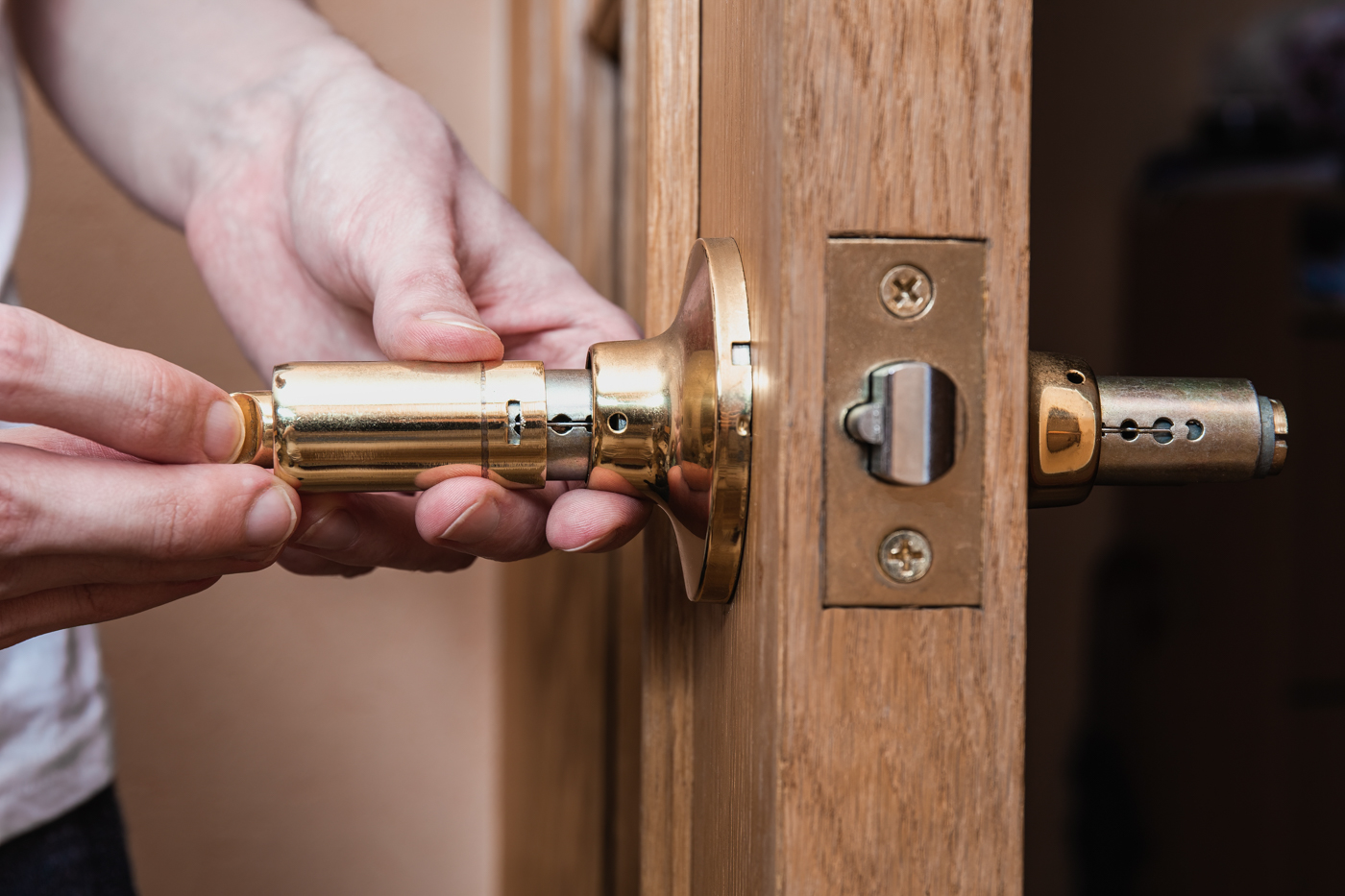
Corrosion Prevention Strategies for Coastal Properties
Preventing corrosion is one of the most important aspects of coastal lock maintenance. Homeowners in humid coastal environments must take a proactive approach to extend the life of locks and maintain reliable home security. Fortunately, there are several proven strategies that can help you safeguard your locks from the damaging effects of salt air, moisture, and fluctuating temperatures.
Use of Protective Coatings and Sealants
One of the simplest yet most effective ways to shield your locks is by applying protective coatings. These coatings form a barrier that keeps moisture and salt particles from reaching the metal surface. Common options include:
- Anti-corrosion sprays: These can be applied seasonally to lock surfaces to repel moisture and salt residue.
- Clear sealants: Designed for outdoor metal fixtures, these sealants act like a weatherproof layer on your locks.
- Wax-based polishes: Though more commonly used on cars, certain waxes can also be applied to locks to form a protective shield against salt exposure.
Be sure to choose products that are safe for use on your lock’s material. For instance, brass may require a different protective agent than stainless steel. Always follow the manufacturer’s recommendations and reapply coatings regularly—especially before winter and summer, when coastal weather conditions are most extreme.
Strategic Lock Placement and Design Considerations
Another smart corrosion prevention tactic is to be strategic about where and how your locks are installed. If possible, aim to minimize direct exposure to the elements. Here are some tips:
- Install locks under covered entryways: Overhangs, awnings, or porches can reduce the amount of rain, snow, and salt spray reaching your locks.
- Use recessed lock designs: Locks that sit flush with the door or are recessed into the frame are less exposed to wind-blown salt and moisture.
- Consider lock boxes or covers: For padlocks or smart locks, weather-resistant covers can provide added protection.
These design considerations can dramatically reduce wear and tear, particularly in regions like Tofino, Lunenburg, or Prince Rupert, where marine conditions are part of daily life.
Environmental Landscaping to Reduce Salt Exposure
Believe it or not, even your landscaping can play a role in corrosion prevention. Shrubs, fences, and windbreaks can help block salt-laden winds from reaching your home’s entry points. Some helpful ideas include:
- Planting tall hedges or salt-tolerant shrubs near entryways
- Installing wooden or vinyl fences to shield doors and gates
- Using landscaping rocks or gravel beds to reduce moisture accumulation near foundations
These measures can be particularly valuable for coastal properties with ocean-facing doors or gates.
Security Risks Unique to Coastal Homes
While corrosion and humidity are obvious physical concerns, coastal living also comes with certain home security risks that aren’t always top of mind. Understanding these risks is essential for creating a comprehensive coastal security plan that protects your family and property.
Lock Failures from Salt Buildup
Salt buildup can lead to partial or complete lock failure, creating vulnerabilities in your home’s defences. When locks become jammed or difficult to turn, homeowners often delay repairs—leaving their homes more susceptible to break-ins. Rusted locks are also more likely to snap or break under force.
To prevent this, keep an eye out for early warning signs such as:
- Grinding noises when turning the key
- Keys that get stuck or are hard to remove
- Discolouration or powdery white residue on the lock face
If you’re experiencing any of these issues, it’s time to contact professional locksmith services before the problem escalates.
Increased Intrusion Risks in Remote Coastal Areas
Many coastal homes are located in less populated areas, offering privacy and scenic beauty—but also a greater risk of unnoticed security breaches. Intruders may target these properties during off-seasons or when owners are away for extended periods.
To boost your coastal property’s security, consider these strategies:
- Install security cameras at all entry points
- Use smart locks with remote monitoring features
- Upgrade to reinforced deadbolts with weatherproof ratings
- Schedule regular property checks, especially during storms
Fix Find’s residential locksmith team can help you evaluate and upgrade your home’s entry points with intrusion-resistant hardware and locks designed for marine environments.
Emergency Access and Evacuation Concerns
In some coastal areas, storms or flooding can require fast evacuation. A rusted or jammed lock can delay your ability to exit quickly or access storm shelters. For this reason, it’s important to ensure all doors and locks are in working order—especially those used as emergency exits.
Quick tips for emergency readiness include:
- Test all locks monthly for smooth operation
- Keep spare keys in a weatherproof lockbox
- Install keyless entry systems on frequently used exits
Weatherproof, corrosion-resistant locks can make all the difference during an unexpected emergency.
Maintenance Tips for Different Types of Coastal Locks
Different locks require different care. Whether you’re using traditional deadbolts, smart locks, or padlocks on gates and sheds, understanding the best maintenance practices for each type will help protect your investment and enhance your coastal security.
Deadbolts and Door Locks
Deadbolts are a staple of home security, but they’re vulnerable to rust when exposed to salt air. Maintenance tips include:
- Apply lubricant every 1-2 months
- Clean the exterior with a damp cloth and dry thoroughly
- Inspect the strike plate and screws for signs of corrosion
Consider upgrading to weatherproof locks with reinforced bolts and tamper-proof designs for added protection.
Smart Locks and Electronic Systems
Smart locks combine convenience with advanced security features, but they need extra care in coastal climates. Here’s how to maintain them:
- Use a weatherproof shield or cover, especially if the lock is exposed
- Replace batteries regularly and keep spares on hand
- Update firmware to ensure optimal performance
If you’re unsure how to properly maintain or install your smart lock, consult a professional locksmith with experience in coastal installations.
Exterior Padlocks and Outbuilding Security
Padlocks are often used on sheds, gates, and garages—but they’re frequently exposed to the worst of coastal weather. Protect them by:
- Using stainless steel or marine-grade padlocks
- Applying anti-rust spray monthly
- Storing padlocks indoors when not in use
Also consider lock covers or enclosures that shield padlocks from rain and salt spray.
Vehicle Locks and Salt Air Damage
Car door locks can also suffer in coastal environments. Salt can enter the locking mechanism and cause jamming or corrosion. Regularly clean and lubricate your vehicle’s locks, especially if it’s parked near the shoreline. If you’re experiencing trouble with your car doors or ignition lock, reach out to our trusted car locksmith services for fast and reliable assistance.
Long-Term Investment in Coastal Lock Protection
Protecting your locks against salt air corrosion and humidity effects isn’t just about avoiding short-term issues—it’s also about long-term value. A small investment today can save you hundreds in replacement costs and emergency repairs in the future.
Budgeting for Lock Maintenance and Upgrades
It’s wise to set aside a small annual budget for lock maintenance, just like you would for HVAC servicing or roof inspections. Allocate funds for:
- Routine lubrication and cleaning products
- Seasonal inspections by a professional locksmith
- Periodic lock upgrades or replacements
Remember, locks are your first line of defence. Prioritizing coastal lock maintenance means prioritizing your family’s safety.
Insurance and Security Considerations
Some home insurance providers may offer reduced premiums if you can demonstrate strong home security measures—especially in vulnerable coastal areas. These may include:
- Certified weatherproof locks
- Regular locksmith inspections
- Smart lock systems with remote access
Ask your insurance provider if your lock system qualifies for discounts or enhanced coverage.
Partnering with Local Experts
Ultimately, the best way to ensure your locks are ready for coastal conditions is by working with a locksmith who understands the unique challenges of your region. Fix Find offers expert locksmith services across Canada with professionals trained in marine environments and corrosion prevention.
Whether you’re protecting a commercial property, a vacation home, or your family’s full-time residence, our certified technicians can help you choose and maintain locks that last.
Conclusion
Living along Canada’s beautiful coastlines offers many rewards—but it requires extra attention to home security. From salt air corrosion and humidity effects to the challenges of marine environments, your locks need thoughtful care to remain effective and reliable.
By choosing the right materials, investing in weatherproof locks, performing regular maintenance, and partnering with professionals, you can preserve the safety and functionality of your locks for years to come. Whether you’re in a bustling coastal city or a quiet seaside town, Fix Find is here to help you protect what matters most.
Don’t wait until corrosion or lock failure compromises your home’s security. Reach out today to schedule a lock inspection or consult with our expert locksmiths on the best solutions for your coastal property.

