

Learn how to protect your home during Canadian disasters with expert advice on emergency preparedness, disaster security, and home protection strategies. From emergency locks to security planning, this guide covers everything you need to stay safe.
Emergency Preparedness in Canada: Why It Matters
Canada is known for its wide range of weather conditions and natural landscapes—from icy winters in the Prairies to wildfire-prone regions in British Columbia. While these natural features make our country beautiful, they also come with risks. Disasters like floods, snowstorms, wildfires, and even earthquakes can strike with little warning. That’s why emergency preparedness and disaster security are so important for Canadian homeowners.
Whether you’re in a bustling city like Toronto or a remote Northern community, every Canadian home should have a plan in place to protect against unexpected emergencies. Strong locks, reliable access control, and a well-thought-out security plan can make a huge difference in how you respond to a crisis.
Understanding Canadian Emergencies
Before diving into how to secure your home, it’s essential to understand the types of emergencies that commonly occur across different parts of Canada:
- Flooding: Common in spring due to melting snow and heavy rain, especially in low-lying areas and river valleys.
- Wildfires: Increasing in frequency, particularly in British Columbia, Alberta, and the boreal forests.
- Blizzards and Ice Storms: Frequent in Ontario, Quebec, and the Atlantic provinces during winter months.
- Earthquakes: Particularly in British Columbia and parts of Quebec.
- Power Outages: Often a result of storms or extreme cold.
Each of these emergencies can threaten your home’s security and your family’s safety. That’s why emergency locksmith solutions and home protection strategies should be part of your overall disaster preparedness plan.
Home Protection Essentials During Natural Disasters
During a crisis, you may need to evacuate, shelter in place, or secure your property quickly. Here’s how you can prepare your home for the unexpected.
1. Install Emergency Locks
Standard locks may not be enough during a crisis. Emergency locks are designed to provide quick access or secure lockdowns during disasters. These can include:
- Keyless Entry Systems: Allow you to enter your home without a key, which is vital if your keys are lost during an emergency.
- Deadbolts with Reinforced Strike Plates: Offers added resistance against forced entry during times of disorder or evacuation.
- Smart Locks: Can be controlled remotely, allowing you to lock or unlock doors from your phone if you’re away from home.
If you need expert locksmith advice on installing emergency locks tailored to your home, contact our certified technicians for support in securing your property.
2. Secure Entry Points
Doors, windows, and garages are the most vulnerable areas during a disaster. Here are some ways to secure them:
Doors
- Install steel or solid wood doors with quality locks.
- Use door jammers or barricades if you need to shelter in place.
- Ensure the door frame is reinforced to prevent kick-ins.
Windows
- Add storm shutters or security film to glass windows.
- Install window locks or sensors that alert you if they’re tampered with.
Garage and Basement Access
- Garage doors should have manual locking systems in case power goes out.
- Secure basement windows and doors with bars or grates, especially in flood-prone areas.
For professional locksmith services to secure your entry points, Fix Find offers solutions tailored for Canadian homes.
3. Prepare for Power Outages
Power failures are common during storms and blizzards, and they can disable electronic locks and alarm systems. Here’s how to stay prepared:
- Install battery-powered or mechanical backup locks on all main doors.
- Use solar-powered outdoor lighting to maintain visibility at night.
- Have a portable power bank to charge your phone and smart devices.
Battery-operated security systems are essential for crisis security and can continue to monitor your home even when the lights go out.
4. Create a Home Emergency Kit
A well-stocked emergency kit can be a lifesaver. Here’s what to include:
- First aid supplies
- Flashlights and extra batteries
- Bottled water and non-perishable food
- Important documents in a waterproof container
- Spare keys and copies of lock codes
Keep your kit in an accessible, secure location, ideally near your main exit, so you can grab it quickly in case of evacuation.
Security Planning for Canadian Emergencies
Every home should have a security planning strategy that accounts for different types of natural disasters. Tailoring your plan to your location, your family’s needs, and your home’s layout is key to staying safe.
1. Assess Your Risks
Begin by identifying the most likely disasters in your area. For example:
- In Toronto, ice storms and power outages are common.
- In Alberta, wildfires pose serious threats during dry seasons.
- In Manitoba, flooding due to spring thaws is a regular concern.
Once you understand your local risks, you can focus on specific home protection measures suited to those threats.
2. Develop an Emergency Access Plan
Planning how to enter your home when locks fail or keys are lost is a critical part of disaster preparedness. Here’s how to build an emergency access plan:
- Store a spare key in a secure lock box outside your home.
- Share access codes with a trusted neighbour or family member.
- Label doors clearly from the outside for emergency responders.
If you’re ever locked out during a crisis, Fix Find’s emergency locksmith team is available 24/7 to help you regain access safely.
3. Create a Family Communication Strategy
Disasters can separate family members or disable communication tools. Set up a plan that includes:
- Designated meeting spots inside and outside your neighbourhood
- Printed contact lists in case phones die
- A shared emergency contact outside your region
Communication is just as important as physical disaster security. Being able to reach loved ones and coordinate actions is vital in emergencies.
4. Practice Drills and Reviews
Just like a fire drill at school, your home should have regular emergency drills. Practice:
- Evacuation routes
- Lockdown procedures
- Emergency kit access
Review your plan yearly or after any major change in your household or local environment. Make sure your security planning evolves with your needs.
Locksmith Services That Support Emergency Preparedness
Professional locksmiths play an important role in natural disaster security. They can help you select and install the right equipment, conduct security audits, and provide fast access when you’re locked out during a crisis.
Residential Locksmith Services
Whether you need to upgrade to smart locks, reinforce your doors, or install window security bars, Fix Find’s residential locksmith team in Toronto is equipped to help.
Emergency Locksmith Services
Locked out during a blackout or after a flood? Our emergency locksmith services are available 24/7 to help you regain access quickly and safely.
Commercial and Vehicle Emergency Solutions
If you operate a business or need vehicle access during an emergency, Fix Find also offers commercial locksmith and car locksmith services across Toronto and surrounding areas. Protecting your business or vehicle is just as important as your home when disaster strikes.
Stay tuned for more in-depth tips on disaster-specific security strategies, how to manage post-disaster recovery, and when to call a professional locksmith for help.
Post-Disaster Recovery: Securing Your Home After the Crisis
Once a disaster has passed, the recovery phase begins. While your priority may be safety and basic necessities, don’t overlook home protection during this time. Damage to locks, doors, and entry points can leave your home vulnerable to break-ins or further harm. Prompt action and emergency preparedness can help secure your property and prevent additional losses.
1. Inspect and Repair Entry Points
After a storm, flood, or fire, conduct a thorough inspection of your home’s entry points:
- Check doors and locks: Look for signs of forced entry, water damage, or mechanical failure.
- Assess windows: Ensure latches and locking mechanisms are still functional.
- Examine garage access: Confirm the door operates properly and still locks.
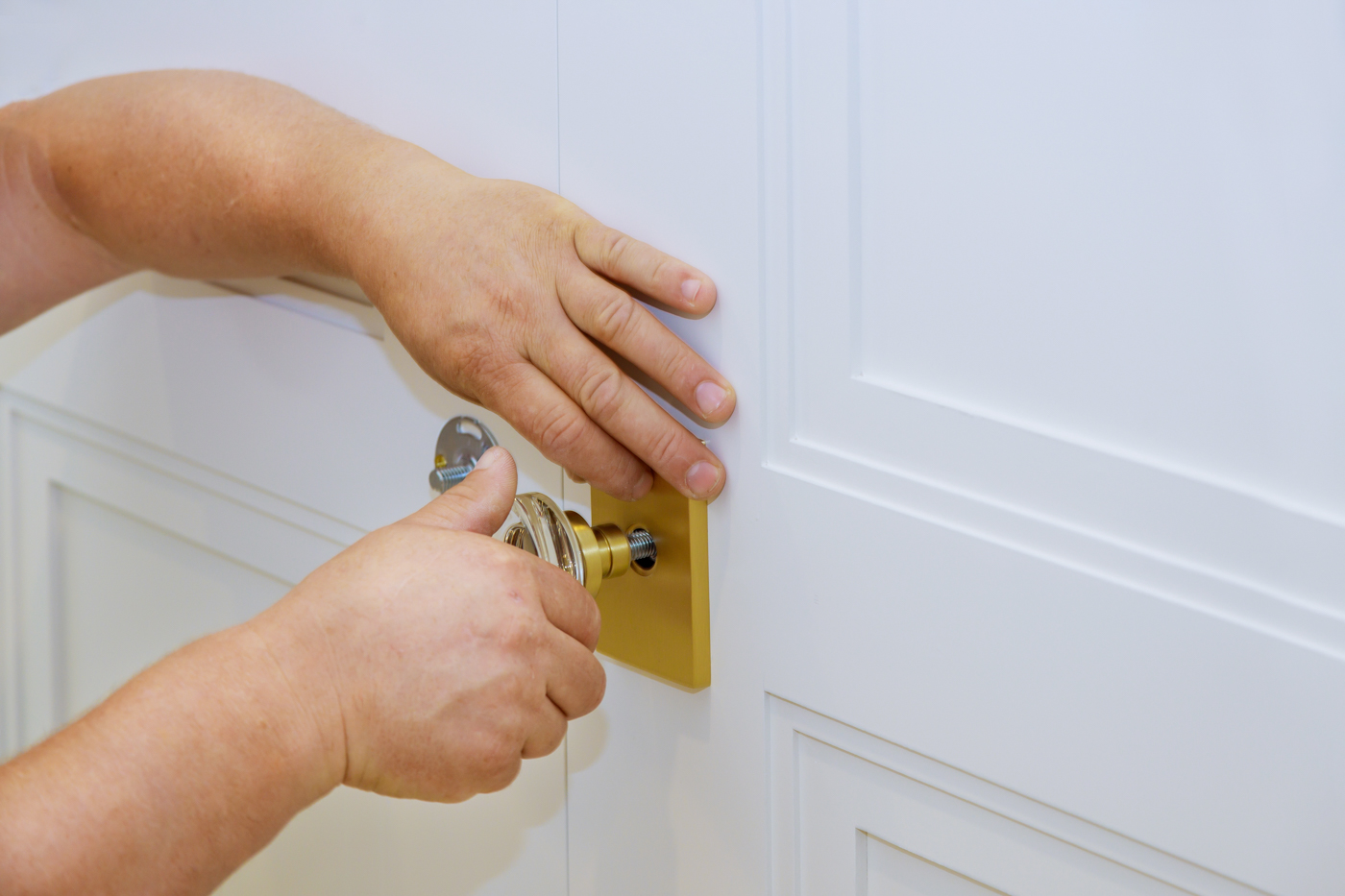
If any locks are damaged or compromised, professional locksmith services can help you replace or upgrade them quickly to restore security. This is crucial, especially when you’re staying elsewhere or dealing with insurance claims.
2. Remove Debris and Improve Visibility
Clearing fallen branches, snow, or flood debris around your home isn’t just about aesthetics—it’s essential for disaster security. Obstructions can block emergency exits or create hiding spots for unwanted visitors.
- Trim overgrown bushes near windows and doors
- Install motion-activated outdoor lighting
- Secure broken fences or gates to prevent trespassing
Improved visibility around your property discourages theft and helps emergency responders if they need to access your home.
3. Re-Evaluate Your Emergency Locks and Systems
Disasters often reveal vulnerabilities you didn’t know existed. Once the immediate danger has passed, take time to assess how well your emergency locks and security systems performed. Ask yourself:
- Were you able to access your home or secure it quickly?
- Did your smart lock system continue to function without power?
- Were any access codes shared with neighbours used safely and responsibly?
Updating your locks or security features after a crisis is a smart move. For example, if you think your keyless entry code was compromised, change it immediately. If you lost physical keys, consider rekeying your locks with help from our certified technicians.
Disaster-Specific Security Strategies
Each type of emergency comes with unique risks that require tailored responses. Customizing your security planning according to the most likely threats in your region can make your home more resilient. Here’s how to prepare for common Canadian emergencies.
1. Flood Security Measures
Flooding can damage door frames, rust locks, and cause water intrusion into basements or main levels. To protect your home from water-related disasters:
- Install water-resistant locks and stainless-steel hardware
- Use sandbags or flood barriers at door thresholds
- Seal basement windows and vents
Keep a backup key or code stored off-site in case your entry system is submerged. If your locks have been under water, they may corrode or jam—making emergency locksmith services essential for re-entry and re-securing your home.
2. Wildfire Risk Reduction
Wildfires can spread rapidly, and homeowners may need to evacuate at a moment’s notice. Here’s how to prepare for fire-related disaster preparedness:
- Use fire-resistant doors and window frames
- Keep emergency exits clear of flammable materials
- Install smart locks that allow remote locking during evacuation
Ensure your emergency access plan includes multiple exit routes in case of road closures or blocked driveways. A backup power source for your locking system can also be critical during a wildfire emergency.
3. Ice Storm and Blizzard Protection
Heavy snowfall and freezing rain can trap you inside your home or make locks freeze shut. To safeguard your property in winter:
- Use weather-resistant locks designed for cold climates
- Apply silicone spray to keyholes and lock mechanisms to prevent freezing
- Keep a portable heater or de-icer in your emergency kit
Consider installing a keypad or biometric entry system that doesn’t rely on physical keys, which can be difficult to use in cold, icy conditions. For added peace of mind, our emergency locksmith team is available even during severe winter storms.
4. Earthquake and Structural Integrity
While earthquakes are less common in Canada compared to other disasters, they can still occur—especially in British Columbia and parts of Quebec. After a quake, doors may become misaligned or jammed.
- Use flexible door frames and hinges that can withstand shifting
- Install emergency-release bars on doors and windows
- Anchor large furniture and appliances to prevent blocking exits
If you find yourself locked in or out due to structural damage, professional locksmith services can help you safely regain access without causing further harm to your home.
Integrating Locksmith Services into Emergency Planning
Locksmiths are more than just key cutters—they are an integral part of your crisis security and home protection strategy. Whether you’re preparing ahead of time or dealing with the aftermath of a disaster, a qualified locksmith can help you stay secure and safe.
How a Locksmith Can Help Before a Disaster
- Conduct a home security audit
- Upgrade locks to smart or keyless systems
- Install deadbolts, strike plates, and window bars
- Ensure garage and basement access points are secure
By working with a trusted locksmith, you ensure your home is ready for any Canadian emergencies that may come your way. Fix Find’s team can help you identify weaknesses in your current setup and recommend improvements tailored to your location and risk level.
Locksmith Support During and After a Disaster
When disaster strikes, access is critical. A car locksmith can help you if you’re locked out of your vehicle while evacuating. A commercial locksmith can secure your business after a break-in or power outage. And a residential locksmith can get you back into your home after a lock failure.
Fix Find proudly offers trusted locksmith services across Toronto and surrounding areas. Whether you need emergency access to your vehicle or professional help to secure your business, our team is ready to support you 24/7 during and after emergencies.
Building a Culture of Preparedness at Home
Emergency preparedness isn’t a one-time task—it’s an ongoing commitment. By involving your whole family and updating your plans regularly, you can create a home culture centred on safety and readiness.
1. Include Everyone in the Planning
Make sure everyone in your household knows the emergency plan. Hold regular meetings to review:
- Evacuation routes and meeting points
- How to use emergency locks and alarms
- Where kits and supplies are kept
Include pets in your planning, too. Keep carriers and leashes near exits and prepare a pet-friendly emergency kit.
2. Keep Emergency Supplies Updated
Over time, food expires, batteries die, and personal needs change. Set a reminder to refresh your emergency kit every six months. Rotate supplies and update your list based on age, health, and family size.
3. Stay Informed and Connected
Sign up for local emergency alerts from your municipality or province. These updates can help you act quickly when disaster strikes. Follow trusted sources like Environment Canada and Public Safety Canada for weather warnings and safety tips.
Also, build relationships with neighbours. Knowing who to call or rely on during a crisis adds another layer of home protection.
Conclusion: Secure Your Home and Peace of Mind
Canadian homeowners face a wide variety of natural threats—but with proper security planning, you can face them with confidence. From installing emergency locks and securing entry points to building a comprehensive emergency preparedness strategy, every step you take today adds to your safety tomorrow.
Whether you’re preparing for a blizzard in Ontario, a wildfire in Alberta, or a flood in Manitoba, Fix Find is here to help. Our expert locksmiths offer fast, reliable, and local support tailored to Canadian homes and businesses. With services ranging from residential security upgrades to emergency locksmith access, we’re your trusted partner in disaster preparedness.
Don’t wait until it’s too late. Secure your home, protect your family, and be ready for anything with Fix Find. Contact us today to schedule a home security consultation or emergency service.

