

Learn how to install new locks on your home with this step-by-step guide tailored for Canadian homeowners. From choosing the right lock to proper setup, we cover everything you need to know for a secure and successful lock installation.
Why Proper Lock Installation Matters for Canadian Homeowners
When it comes to protecting your home and family, proper lock installation plays a key role in ensuring your door security. Whether you’re replacing old hardware or setting up new locks on a recently purchased property, the quality of the installation impacts how secure your doors really are.
In Canada, where seasonal weather and regional building codes vary, ensuring your locks are fitted and installed correctly can make all the difference. A poorly installed lock can misalign over time, become difficult to operate, or even fail in an emergency. That’s why understanding the lock setup process is so important—even if you plan to hire a residential locksmith later.
Benefits of a Secure Lock Setup
- Enhanced security – Protects against break-ins and forced entry.
- Peace of mind – Know your home is properly secured.
- Improved function – A well-installed lock operates smoothly and reliably.
- Compliance – Meets local building codes and insurance standards.
When to Consider a Lock Replacement
There are several reasons why you might need new locks or a complete lock replacement:
- You’ve just moved into a new home.
- You’ve lost your keys or experienced a break-in.
- Your existing locks are outdated or damaged.
- You want to upgrade to smart locks or high-security options.
In any of these cases, understanding how to carry out a proper door lock installation can help you make informed decisions for your home.
Choosing the Right Lock for Your Home
Before you begin the lock fitting process, it’s important to choose the right type of lock for your needs. Not all locks are created equal, and Canadian homeowners should consider factors like weather resistance, lock grade, and door material.
Types of Residential Door Locks
Deadbolts
Deadbolts are one of the most common and secure types of locks used in Canadian homes. They come in single-cylinder and double-cylinder options:
- Single-cylinder deadbolts use a key on the outside and a thumb turn on the inside.
- Double-cylinder deadbolts require a key on both sides, offering extra security but may pose a safety risk in emergencies.
Keyed Entry Knobs and Levers
These are standard on many front and back doors. While they offer basic security, they’re best used in combination with a deadbolt for maximum protection.
Smart Locks
Smart locks are becoming increasingly popular in Canadian homes. They offer keyless entry, remote access, and integration with home automation systems. However, they still require proper lock setup to function securely.
Multipoint Locks
Common in newer homes or patio doors, multipoint locks secure the door at multiple points with a single turn. Installation is more complex and may require a professional locksmith.
Lock Grades and Standards
In Canada, residential locks typically follow ANSI/BHMA grading standards:
- Grade 1 – Best for high security; ideal for exterior doors.
- Grade 2 – Good for moderate security; suitable for most homes.
- Grade 3 – Basic security; often used for interior doors or low-risk areas.
Always check that your lock meets the necessary safety standards and provides the level of protection you need for your property.
Tools and Materials Needed for DIY Lock Installation
If you’re considering a DIY installation, having the right tools on hand can make the process smoother and more efficient. While some homeowners prefer to hire a residential locksmith in Toronto or other Canadian cities, many lock types can be installed with basic tools and a little patience.
Essential Tools
- Drill and drill bits (preferably spade and hole saw bits)
- Screwdriver (flathead and Phillips)
- Chisel and hammer
- Measuring tape and pencil
- Level
- Utility knife
- Safety goggles
Materials
- New lockset or deadbolt
- Strike plate and screws (usually included with the lock)
- Wood filler (if replacing an old lock)
- Template for drilling (often included with lock hardware)
Optional Items
- Latch guard for added protection
- Weatherstripping for exterior doors
- Electronic keypad or smart lock batteries
Before starting any lock installation project, make sure to read the manufacturer’s instructions thoroughly. Each brand may have specific installation steps or requirements.
Step-by-Step Guide to Installing a New Door Lock
Installing a new lock can be a rewarding home improvement project. Whether you’re updating your front entry or securing a back door, following a clear installation guide ensures your lock is properly fitted and functional.
Step 1: Remove the Old Lock
If you’re replacing an existing lock, start by removing the current hardware:
- Unscrew the interior and exterior knobs or levers.
- Take out the latch mechanism and strike plate from the door frame.
- Inspect the door for damage or misalignment—repair as needed before installing the new lock.
Step 2: Measure and Mark
Use the template provided with your new lock to mark the borehole and latch position. Most residential doors in Canada are pre-bored to standard sizes (2 1/8″ hole with a 1″ edge bore), but always double-check before drilling.
Tips:
- Use a level to mark straight lines for drilling.
- Measure the backset (distance from the edge of the door to the centre of the hole)—commonly 2 3/8″ or 2 3/4″.
Step 3: Drill the Holes
Carefully drill the main hole through the face of the door using a hole saw. Then drill the latch hole in the edge of the door with a spade bit.
Take your time to avoid splintering the wood. Drill from both sides if necessary to keep the hole clean and centred.
Step 4: Install the Latch and Faceplate
Insert the latch mechanism into the edge hole. Use a chisel to create a recess for the faceplate so it sits flush with the door edge.
Secure the latch with the provided screws, ensuring it aligns with the borehole for the lock cylinder or knob.
Step 5: Attach the Lock Hardware
Fit the exterior and interior knobs or lock cylinders through the borehole, aligning with the latch. Most residential locks use a mounting plate or screws to secure both sides together.
Tighten everything snugly but avoid over-tightening, which can cause misalignment over time.
Step 6: Install the Strike Plate
On the door frame, position the strike plate where the latch or bolt meets the jamb. Chisel a recessed area so the strike plate sits flush, and screw it into place using long screws that reach the wall stud for added strength.
Step 7: Test the Lock
Once everything is installed, close the door and test the lock:
- Does the latch or bolt slide smoothly into the strike plate?
- Do the keys work easily from both sides?
- Is the deadbolt aligned and functional?
If anything feels tight or misaligned, make necessary adjustments before finalizing the installation.
Pro Tip:
If you’re short on time or want to ensure a perfect fit, contact our certified technicians at Fix Find. We offer fast, reliable lock installation services across Canada, including emergency support and upgrades to high-security options.
Common DIY Installation Mistakes to Avoid
- Drilling misaligned holes, causing the lock to function poorly.
- Not using long screws in the strike plate for added strength.
- Chiselling too deeply or not enough, resulting in a loose fit.
- Installing the lock backwards (yes, it happens!).
- Skipping the test phase—always test before considering it complete.
Taking your time and following each step carefully helps ensure your door lock installation is successful and long-lasting.
When to Call a Professional Locksmith
While many homeowners can handle a basic DIY installation, certain scenarios are best left to the pros:
- You’re installing a smart lock or high-security deadbolt.
- Your door or frame is damaged or misaligned.
- You’re unsure about building codes or safety standards.
- You need multiple locks keyed alike or rekeyed.
In these cases, Fix Find’s residential locksmith services in Toronto and across Canada offer expert support to ensure your home stays secure and compliant with local requirements.
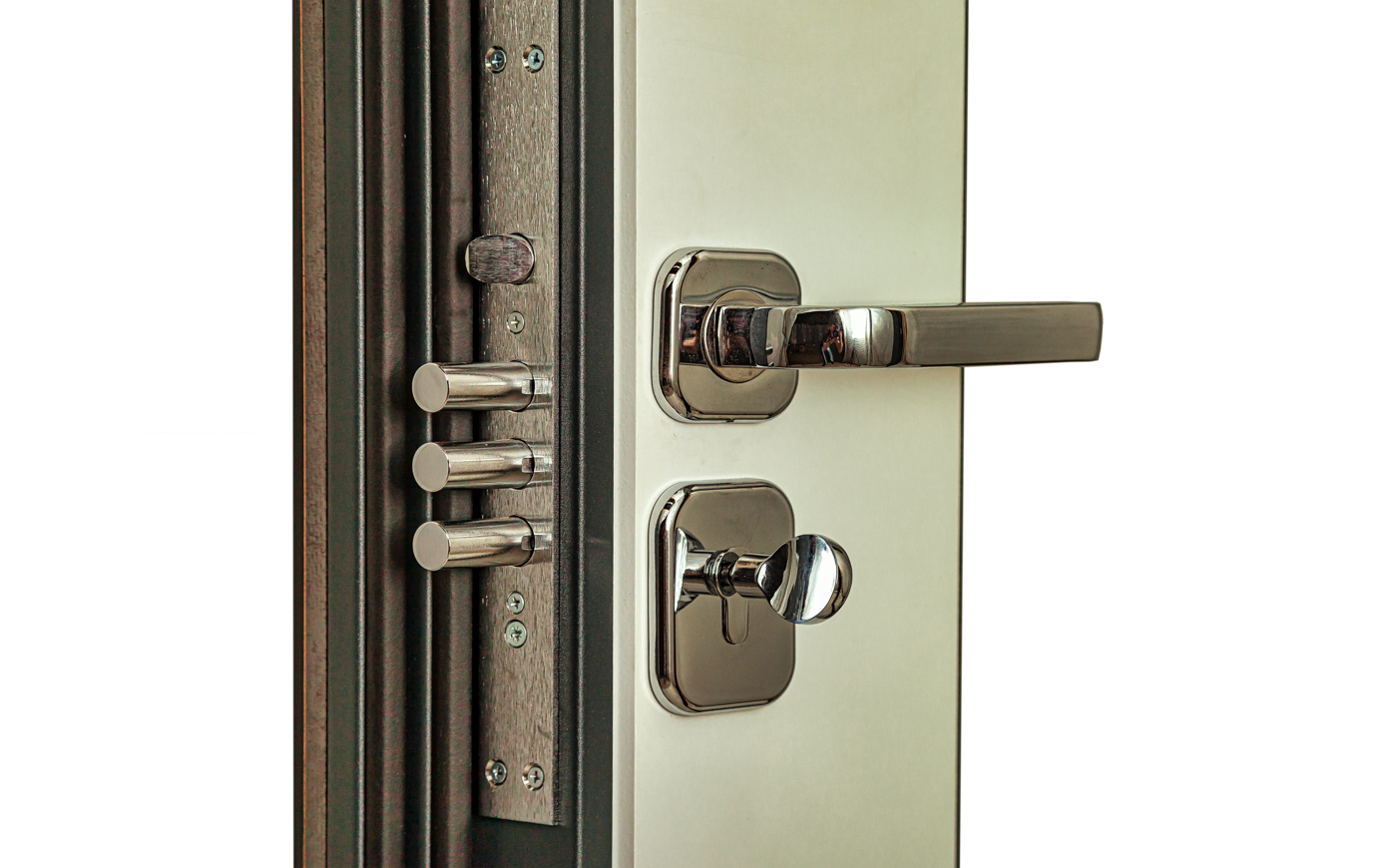
Improving Door Security with Additional Lock Features
Installing a basic lock is only the first step in enhancing your home’s security. Canadian homeowners looking to boost their door security should consider additional lock features and reinforcements that can make all the difference in deterring intruders and protecting your property.
Reinforcing the Strike Plate
While many locksets include a standard strike plate, upgrading to a heavy-duty version with longer screws (3” or longer) can dramatically improve holding power. These screws should reach the wall stud behind the door frame, offering better resistance to forced entry.
Tips for Strike Plate Reinforcement:
- Use a reinforced strike plate made of hardened steel.
- Pre-drill holes to avoid splitting the wood when inserting longer screws.
- Ensure the plate is flush with the frame to prevent door misalignment.
Adding a Door Reinforcement Kit
A door reinforcement kit strengthens weak points around the door, including the jamb, hinges, and lock area. These kits are especially beneficial for older homes or entrances frequently exposed to harsh Canadian weather.
What’s Included in Most Kits:
- Reinforced strike plate
- Hinge reinforcements
- Door edge guards
Installing a reinforcement kit alongside your lock installation provides a layered defence against break-ins and structural wear.
Installing a Latch Guard or Security Plate
Latch guards are metal plates that cover the gap between the door and frame, making it harder for someone to force the latch open with tools. These are especially useful for out-swing doors, common in commercial properties but also found in some residential layouts.
For homeowners in Toronto or other urban areas, where break-ins are more common, a latch guard is a simple but effective upgrade to your lock setup.
Smart Locks and Advanced Security Options
As technology advances, smart locks are becoming a popular choice for Canadian homeowners seeking both convenience and security. These advanced systems offer features like keyless entry, remote locking, and access tracking—ideal for families, landlords, and busy households.
Types of Smart Locks
- Bluetooth-enabled locks – Unlock via your smartphone when within range.
- Wi-Fi-connected locks – Control your lock remotely from anywhere.
- Keypad locks – Enter a code instead of using a physical key.
- Biometric locks – Use fingerprint recognition for access.
While these locks offer convenience, they still require precise lock fitting and installation to function properly. Many smart locks are designed to retrofit onto standard deadbolt setups, but some may need additional drilling or electrical adjustments.
Important Considerations for Smart Lock Installation
- Check compatibility with your existing door and lock hardware.
- Ensure the lock meets Canadian safety and privacy standards.
- Use secure Wi-Fi and enable two-factor authentication where available.
- Have backup access methods in case of connectivity issues or power outages.
If you’re unsure whether a smart lock is right for your home, our residential locksmith experts in Toronto can help you choose and install the best option based on your doors, preferences, and budget.
Lock Maintenance Tips for Long-Term Security
After completing a successful door lock installation, ongoing maintenance is key to keeping your locks secure and functional. Canada’s varied climate—including freezing winters and humid summers—can affect how well locks perform over time.
Regular Cleaning and Lubrication
Dirt, dust, and moisture can build up inside your lock, leading to stiffness or jamming. Clean the exterior regularly and lubricate the interior components every 6–12 months, especially before winter.
Recommended Products:
- Use a graphite-based lubricant or a silicone spray—avoid oil-based products.
- Spray directly into the keyway and move the key in and out to distribute.
Inspect for Wear and Tear
Over time, lock components can loosen or wear down. Check your lock’s screws, strike plate, and latch for signs of damage or misalignment. Early detection prevents lock failures and helps maintain your home’s security.
Rekeying vs. Replacing Locks
If you lose your keys or move into a new home, rekeying may be a more affordable alternative to full lock replacement. Rekeying involves changing the internal pins of the lock so old keys no longer work.
This service is best handled by a professional locksmith to ensure the lock functions smoothly afterward.
Seasonal Lock Maintenance in Canada
In colder regions, ice buildup can affect lock mechanisms and make doors harder to open. Use de-icing sprays designed for locks and keep entrances clear of snow and moisture to prevent freezing.
Upgrading Your Lock System for Better Security
Sometimes, a standard deadbolt may not be enough. If you’re serious about protecting your property, upgrading to a high-security lock system can offer peace of mind and enhanced protection.
High-Security Lock Features
- Drill-resistant cylinders – Prevents tampering with the lock core.
- Restricted keyways – Keys cannot be easily duplicated at standard hardware stores.
- Anti-pick and anti-bump technology – Resists common break-in methods.
High-security locks are ideal for homeowners with valuable assets, those living in high-crime areas, or anyone wanting additional peace of mind. They may also help reduce home insurance premiums depending on your provider.
For more complex upgrades, Fix Find’s emergency locksmith services in Toronto are available 24/7 to help with secure installations and urgent lock replacements.
When to Upgrade Your Lock System
- After a break-in or attempted forced entry
- When installing a new door or entryway
- To meet updated building code or insurance requirements
- When replacing outdated or worn-out hardware
Upgrading your locks not only strengthens your security but also improves the overall appearance and functionality of your home’s entry points.
Why Work with a Professional Residential Locksmith?
While DIY installation can be a satisfying project for some, many homeowners prefer the peace of mind that comes with hiring a certified locksmith. With the right tools, experience, and knowledge of Canadian building codes, a residential locksmith ensures your locks are installed correctly the first time.
Benefits of Hiring a Professional
- Expertise – Trained locksmiths handle all lock types, including smart and high-security systems.
- Efficiency – Installations are completed quickly and correctly.
- Compliance – Meet local safety standards and insurance requirements.
- Warranty and support – Get peace of mind knowing your lock is backed by professional service.
Situations That Call for Professional Help
- Lock damage after a break-in
- Older or non-standard doors requiring custom fitting
- Multi-unit installations for landlords or property managers
- Emergency lockouts or urgent replacements
If you need expert locksmith assistance, Fix Find offers professional locksmith services across Canada, from standard lock changes to advanced security upgrades. Our team is fully licensed, insured, and ready to help you secure your home with confidence.
Conclusion: Secure Your Home with Confidence
Installing a lock may seem like a small task, but it plays a critical role in your overall home improvement and safety strategy. Whether you’re replacing old hardware or setting up new locks on a recently purchased property, a proper lock installation ensures your doors remain secure, functional, and up to Canadian standards.
From choosing the right lock to performing the installation and maintaining it over time, this guide gives you everything you need to make smart, informed decisions about your door security. If you’re a confident DIYer, following these steps will help you achieve a successful result. But if you’re unsure or want to save time, our certified technicians at Fix Find are always here to help.
We proudly serve homeowners across Canada with fast, reliable, and professional locksmith services—including car locksmith help, commercial lock installations, and 24/7 emergency support. Whether you need a quick lock repair or a full security upgrade, we’re here to keep your home safe and secure—rain, snow, or shine.
Contact Fix Find today for expert advice, trusted service, and top-quality lock solutions tailored to Canadian homeowners just like you.

