

Discover the art of antique and heritage lock restoration, a craft that combines historical preservation with modern security needs. This article explores the importance of restoring vintage locks, offers practical tips, and highlights the benefits for homeowners of heritage homes seeking to maintain their historical charm.
Understanding the Importance of Antique and Heritage Lock Restoration
Antique and heritage lock restoration is not just about preserving a piece of history; it’s also about maintaining the security and aesthetic value of heritage homes. In Canada, with its rich historical tapestry, many homeowners appreciate the unique charm of period locks and antique hardware. Restoring these locks ensures they continue to function effectively while preserving their historical integrity.
The Historical Significance of Vintage Locks
Historical locks are more than just functional; they are pieces of art that reflect the craftsmanship of their time. From intricate Victorian designs to robust Georgian locks, each tells a story of the era it was created in. For homeowners, maintaining these locks is a way to connect with the past and uphold the architectural authenticity of their homes.
Preserving Architectural Integrity
For those living in heritage homes, preserving architectural integrity is crucial. Original locks and hardware contribute significantly to a building’s historical character. By opting for professional lock restoration services, homeowners can maintain the original aesthetic while ensuring modern security standards are met.
Economic and Cultural Value
Restoring period locks can also enhance the economic and cultural value of a property. Heritage homes with well-preserved antique features often have higher market value. Moreover, they contribute to cultural preservation, offering a tactile connection to the past for future generations to appreciate.
Challenges in Restoring Historical Locks
Restoring historical locks presents unique challenges due to the delicate nature of antique mechanisms and the need for specialized knowledge. Understanding these challenges can help homeowners make informed decisions about preserving their vintage security features.
Complexity of Antique Mechanisms
Antique locks often feature intricate mechanisms that require a deep understanding of historical lock-making techniques. Unlike modern locks, which are mass-produced and standardized, vintage locks are unique to their time and place, requiring a tailored approach to restoration.
Finding the Right Expertise
Due to their complexity, restoring antique locks is best left to professionals who specialize in historical preservation. Certified technicians, like those at Fix Find, have the expertise to handle delicate restorations, ensuring the lock’s functionality is preserved without compromising its historical value.
Balancing Restoration and Modern Security
One of the main challenges is balancing the restoration of antique locks with the need for modern security standards. While maintaining the historical appearance is essential, it’s equally important to ensure that these locks provide adequate security for today’s needs.
Integrating Modern Security Features
Some homeowners choose to integrate modern security features discreetly to enhance protection. This can involve installing supplementary locks or using advanced materials that do not alter the vintage appearance. Locksmith experts can advise on the best solutions to maintain both security and authenticity.
Benefits of Professional Lock Restoration Services
Engaging professional lock restoration services offers numerous benefits for homeowners of heritage homes. From ensuring expert craftsmanship to providing peace of mind, professional services are invaluable in maintaining the charm and security of antique locks.
Expert Craftsmanship and Authenticity
Professional locksmiths bring a wealth of experience and knowledge in dealing with various types of antique locks. Their expertise ensures that every component is carefully restored, preserving the lock’s original design and functionality. This level of craftsmanship is crucial for maintaining authenticity.
Access to Specialized Tools and Materials
Restoring antique locks often requires specialized tools and materials that are not readily available to the average homeowner. Professionals have access to these resources, ensuring that every restoration is performed with the highest standards of quality and care.
Enhanced Security and Functionality
While preserving the historical look of a lock, professional restoration also addresses any wear and tear that may have affected its functionality. This ensures that the lock not only looks good but also provides reliable security. For those who value peace of mind, knowing that their vintage locks are secure is invaluable.
Customized Solutions for Heritage Homes
Every heritage home is unique, and so are its security needs. Professional locksmiths offer customized solutions tailored to the specific requirements of each home. Whether it’s adjusting the lock mechanism or recommending supplementary security measures, experts provide comprehensive solutions that enhance both security and aesthetics.
If you need expert locksmith services to restore your antique locks or enhance your home’s security, contact our certified technicians at Fix Find today.
Practical Tips for Homeowners
Whether you choose to undertake some restoration tasks yourself or hire a professional, understanding the basics of antique lock care can help maintain their beauty and functionality. Here are some practical tips for homeowners looking to preserve their vintage locks.
Regular Maintenance and Cleaning
Regular maintenance is crucial for keeping antique locks in good working condition. This includes cleaning the lock mechanisms to prevent dirt and grime from causing damage. Use gentle cleaning agents and soft tools to avoid scratching or damaging the surface.
Protecting Against Rust and Corrosion
Rust and corrosion are common issues with antique locks, especially those made from iron or brass. Applying a light coat of oil can help protect against these elements. Ensure that the oil is suitable for the type of metal used in your lock to avoid adverse reactions.
Handling with Care
Antique locks are often delicate and require careful handling. Avoid using excessive force when operating the lock, as this can damage the internal mechanisms. If a lock is difficult to operate, it may be time for a professional inspection and restoration.
Consulting with a Professional
For complex restoration tasks or when dealing with significant wear and tear, consulting with a professional is advisable. Experienced locksmiths can assess the condition of your locks and recommend the best course of action to restore them to their former glory.
For professional locksmith services that cater to the unique needs of heritage homes, visit our commercial locksmith page for more information.
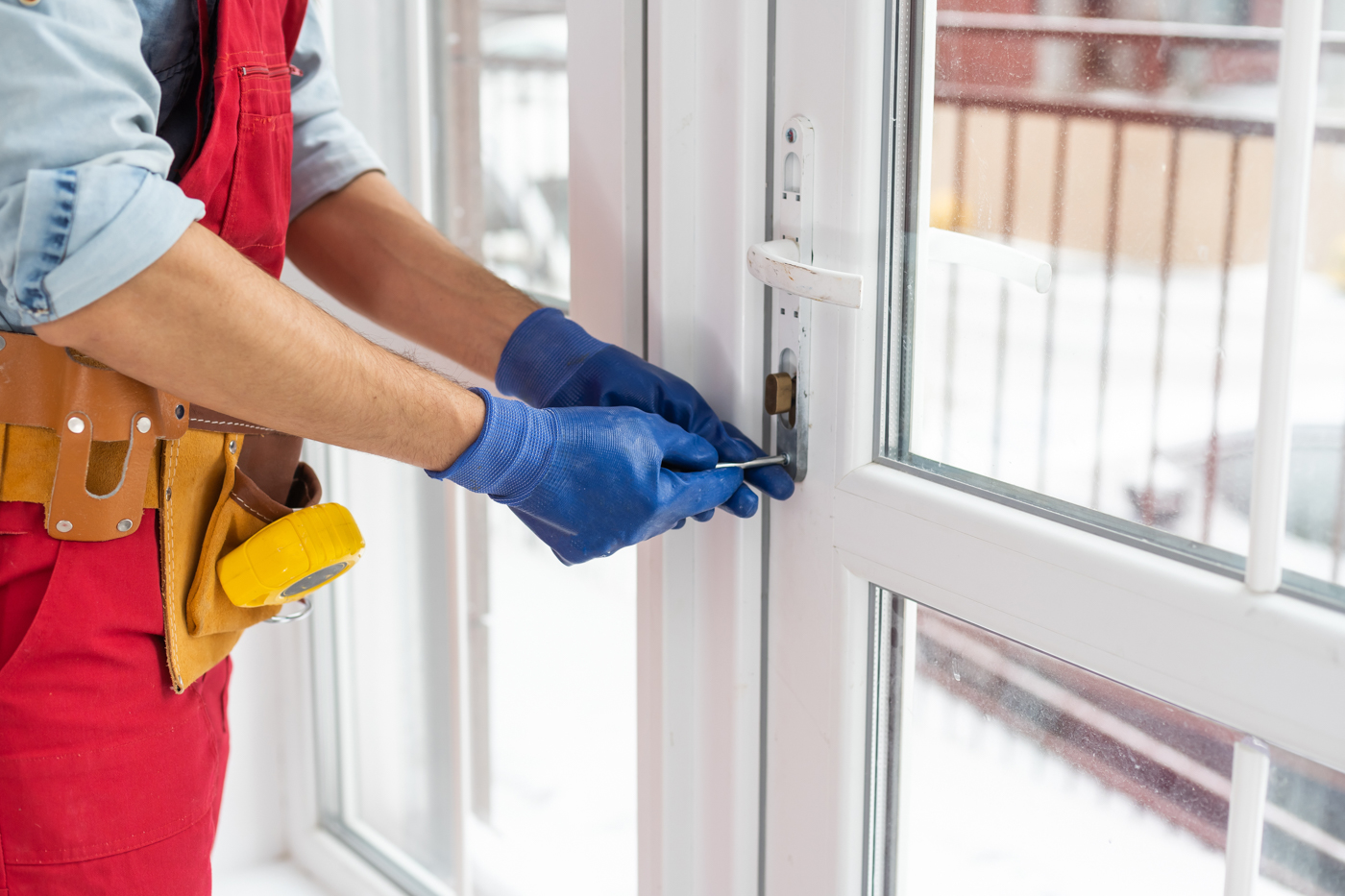
DIY Restoration Techniques for Antique Locks
While professional restoration is often recommended for complex antique locks, some homeowners may choose to undertake minor restoration tasks themselves. It’s essential to approach DIY restoration with care to avoid damaging these valuable historical pieces.
Assessing the Condition of Your Lock
Before beginning any restoration work, assess the condition of your antique lock. Look for signs of wear, rust, or damage that may require professional attention. Understanding the current state of your lock will help you determine the extent of work needed and whether it’s a DIY project or requires expert locksmith services.
Cleaning and Lubrication
Cleaning is a critical first step in any restoration process. Use a soft brush or cloth to remove dust and debris from the surface of the lock. For internal mechanisms, a gentle application of a suitable lubricant can help ensure smooth operation. Be cautious with the amount and type of lubricant used, as excessive oil can attract dust and dirt.
Repairing Minor Surface Damage
For locks with minor surface damage, such as scratches or tarnishing, use a gentle metal polish to restore their appearance. Apply the polish with a soft cloth, using circular motions to buff the surface. Avoid aggressive polishing that could remove the patina, which is an integral part of the lock’s historical character.
Replacing Missing Parts
In some cases, antique locks may have missing or damaged parts. If you have the skills, you may be able to replace these parts yourself. However, sourcing authentic or suitable replacement parts can be challenging. Consider consulting with a professional locksmith who specializes in residential locksmith services in Toronto to ensure compatibility and authenticity.
Professional Restoration Process
For more complex restoration projects, involving a professional locksmith is advisable. Here’s a look at the typical restoration process conducted by experts to ensure the integrity and functionality of antique locks.
Initial Assessment and Documentation
Professional locksmiths begin by thoroughly assessing the lock’s condition and documenting its current state. This step is crucial for understanding the lock’s history and determining the appropriate restoration techniques.
Disassembly and Cleaning
The next step involves carefully disassembling the lock to access internal mechanisms. Each component is cleaned separately to remove accumulated grime and corrosion. Professionals use specialized equipment and cleaning solutions tailored to the specific materials of the lock.
Repair and Restoration
Once cleaned, damaged or worn components are repaired or replaced. This may involve fabricating new parts to match the original specifications. Locksmiths with expertise in commercial locksmith services often have the necessary skills and tools to handle such detailed work.
Reassembly and Testing
After repairs, the lock is reassembled with great care to ensure that all parts fit perfectly. The restored lock is then tested to confirm its functionality and security. Adjustments are made as necessary to achieve optimal performance.
Integrating Modern Security with Antique Locks
While preserving the historical value of antique locks is essential, integrating modern security features can enhance their functionality without compromising aesthetics.
Supplementary Security Measures
Adding supplementary security measures, such as deadbolts or electronic monitoring systems, can provide additional protection for homes with antique locks. These measures can be installed discreetly, maintaining the historical appearance of the property.
Smart Lock Integration
For those seeking high-tech solutions, smart lock integration is an option. Some smart locks can be fitted alongside antique locks, offering modern convenience without altering the vintage look. Consult with experts to explore suitable options for your home.
Custom Security Solutions
Every heritage home has unique security needs. Working with a locksmith who understands historical preservation and modern security can lead to customized solutions that meet your specific requirements. Whether it’s a bespoke locking system or tailored security advice, professionals can provide valuable insights and services.
If you’re considering enhancing your home’s security while preserving its historical charm, consult with our certified technicians at Fix Find for expert guidance and solutions.
Conclusion
Antique and heritage lock restoration is an art that balances historical preservation with modern security needs. By understanding the value of these vintage locks, homeowners can make informed decisions about their care and restoration. Whether opting for professional services or undertaking minor DIY tasks, preserving the integrity of historical locks is a rewarding endeavour that enhances the charm and security of heritage homes.
For those in need of expert assistance, professional locksmith services offer the knowledge, tools, and experience necessary to restore antique locks to their former glory while ensuring they meet contemporary security standards. Contact Fix Find today for comprehensive locksmith solutions tailored to the unique needs of your home.

