

Rekeying vs replacing locks: What’s the best choice for your home security? This in-depth guide explains the pros and cons of each, cost factors, and how to decide the right lock option based on your needs as a Canadian homeowner.
Understanding the Basics: Rekeying vs Replacing Locks
What Is Rekeying a Lock?
Rekeying a lock is the process of adjusting the internal pins and tumblers in your lock so that it works with a new key. Essentially, your old key becomes useless, and only the new key can open the lock. This service is ideal for those who want tighter security without changing the entire lock hardware.
For example, if you’ve recently moved into a new home in Toronto or anywhere across Canada, rekeying your locks can be a cost-effective way to ensure that former tenants or homeowners can’t access your property.
How Rekeying Works
A locksmith opens up the lock cylinder, removes the existing pins, and replaces them with new ones that match a different key profile. Once it’s done, only the new key will operate the lock. The process is usually quick and doesn’t require removing the entire lock from your door.
What Is Lock Replacement?
Lock replacement, also known as a lock change, involves removing the entire lock and installing a brand-new one. This option is typically chosen when the existing lock is damaged, outdated, or doesn’t meet current security standards.
In some cases, upgrading to a more secure or smart lock system might be the better long-term solution, especially for new homeowners or those looking for a serious security upgrade.
When You Might Need a Lock Change
– Your lock is broken or worn down
– You want to upgrade to a higher-security system
– You’re enhancing your home with smart lock technology
– The existing lock doesn’t meet insurance or building code requirements
If you need expert locksmith services for your home, check out our residential locksmith services in Toronto to get started.
Cost Comparison: Rekeying vs Replacing Locks
Which Option Is More Affordable?
In most cases, rekeying locks is cheaper than replacing them. That’s because you’re only paying for the labour and new pins, rather than an entirely new lockset.
For instance:
– Rekeying a standard residential lock might cost between $40 to $100 per lock.
– Replacing a lock can range from $80 to $300, depending on the type of lock and installation complexity.
Factors That Influence Cost
– **Type of lock**: High-security locks cost more to rekey or replace.
– **Number of locks**: Rekeying multiple locks to work with the same key is more economical than buying and installing several new locks.
– **Labour**: Emergency or after-hours locksmith service may come with a higher fee.
– **Location**: Prices can vary slightly across Canadian provinces and urban vs rural areas.
For those concerned with cost but still needing a security improvement, rekeying is often the smarter choice.
When Replacing Might Be Worth the Investment
While rekeying is more affordable, replacing your locks may be the better investment in certain situations. For instance, if you’re upgrading your home’s security or switching to a digital or smart lock system, a full lock change is necessary.
You might also be interested in a lock replacement if your current locks are outdated and don’t comply with today’s building security standards. This is especially important for Canadian homeowners looking to enhance protection during harsh winter months or those living in higher-crime areas.
If you’re unsure what type of service you need, our locksmith experts at Fix Find can help assess your situation and recommend the best solution.
Security Considerations for Canadian Homeowners
How Rekeying Enhances Security
Rekeying locks is a great way to maintain control over who has access to your home, especially after:
– Moving into a new home
– Losing a set of keys
– Ending a relationship or roommate arrangement
– Lending out spare keys and not getting them back
By changing the internal mechanism of the lock, you eliminate the risk of someone using an old key to enter your home. This is a simple yet effective security upgrade that many new homeowners in Canada opt for.
When Is a Lock Change the Safer Option?
There are situations where rekeying may not be enough. If your lock is damaged, corroded from weather exposure (common in many parts of Canada), or you suspect it’s been tampered with, a full lock replacement is the safer route.
Upgrading to a more secure lock type, such as a deadbolt or smart lock, can also help prevent break-ins. Some modern locks offer features like:
– Keyless entry
– Remote access
– Tamper alerts
– Integration with home security systems
These features are especially useful for vacation homes, rental properties, or families who want added convenience and peace of mind.
Meeting Canadian Building Codes
It’s also important to consider local building codes and insurance requirements. In many provinces, especially Ontario and British Columbia, there are certain standards for deadbolt locks on exterior doors. Replacing locks with ones that meet or exceed these standards can improve your home’s overall safety and may even lower your insurance premiums.
Situational Guide: When to Rekey and When to Replace
Scenario 1: You’re a New Homeowner
Congratulations on your new home! One of the first things you should do is secure it. You never know how many copies of the old keys are floating around, whether with real estate agents, contractors, or previous occupants.
In this case, rekeying your locks is usually enough to restore your peace of mind. It’s quick, affordable, and ensures only you and trusted individuals have access.
However, if the existing locks are old or don’t align with your desired security level, consider a full lock change.
Scenario 2: You’ve Experienced a Security Breach
If someone has broken into your home or attempted to do so, replacing your locks is strongly recommended. Even if the locks weren’t damaged, they may no longer be secure.
This is also a good time to consider an upgrade to high-security locks or even smart lock systems for better control and monitoring.
Scenario 3: You Want One Key for All Doors
Tired of carrying around a keychain full of different keys? Rekeying your locks to match the same key is a great solution. As long as the locks are compatible, a locksmith can rekey them to operate with one master key. This adds convenience without compromising security.
Scenario 4: You Need a Commercial or Rental Property Solution
Business owners and landlords often need lock services that balance security with flexibility. Rekeying is perfect for tenant turnover or employee changes. It’s quick and cost-effective, ensuring previous occupants no longer have access.
For long-term solutions, especially in high-traffic areas, replacing locks with higher-grade commercial options might be smarter. Learn more about our commercial locksmith services in Toronto to protect your business property.
Scenario 5: Emergency Situations
In urgent cases — like a break-in attempt, lost keys, or being locked out — you may need immediate lock change or rekeying. In these situations, it’s best to contact a professional. Our team at Fix Find offers fast, reliable emergency locksmith services in Toronto to help you regain access and restore your home’s safety quickly.
Pros and Cons of Rekeying and Lock Replacement
Rekeying Pros
– More affordable than replacing
– Quick and easy process
– Improved security with minimal cost
– Can make multiple locks work with one key
Rekeying Cons
– Doesn’t improve quality of old or worn locks
– No upgrade in lock technology or durability
– Limited to compatible locks
Lock Replacement Pros
– Full upgrade of lock security and appearance
– Opportunity to install smart or high-security solutions
– Can address wear, damage, or non-compliance with code
Lock Replacement Cons
– More expensive than rekeying
– May require professional installation
– Takes more time, especially for complex systems
Key Takeaway
If your locks are in good condition and you’re just looking to restrict access, rekeying is usually the better option. But if you’re dealing with damaged locks, outdated hardware, or want a serious security improvement, a lock change may be the right move.
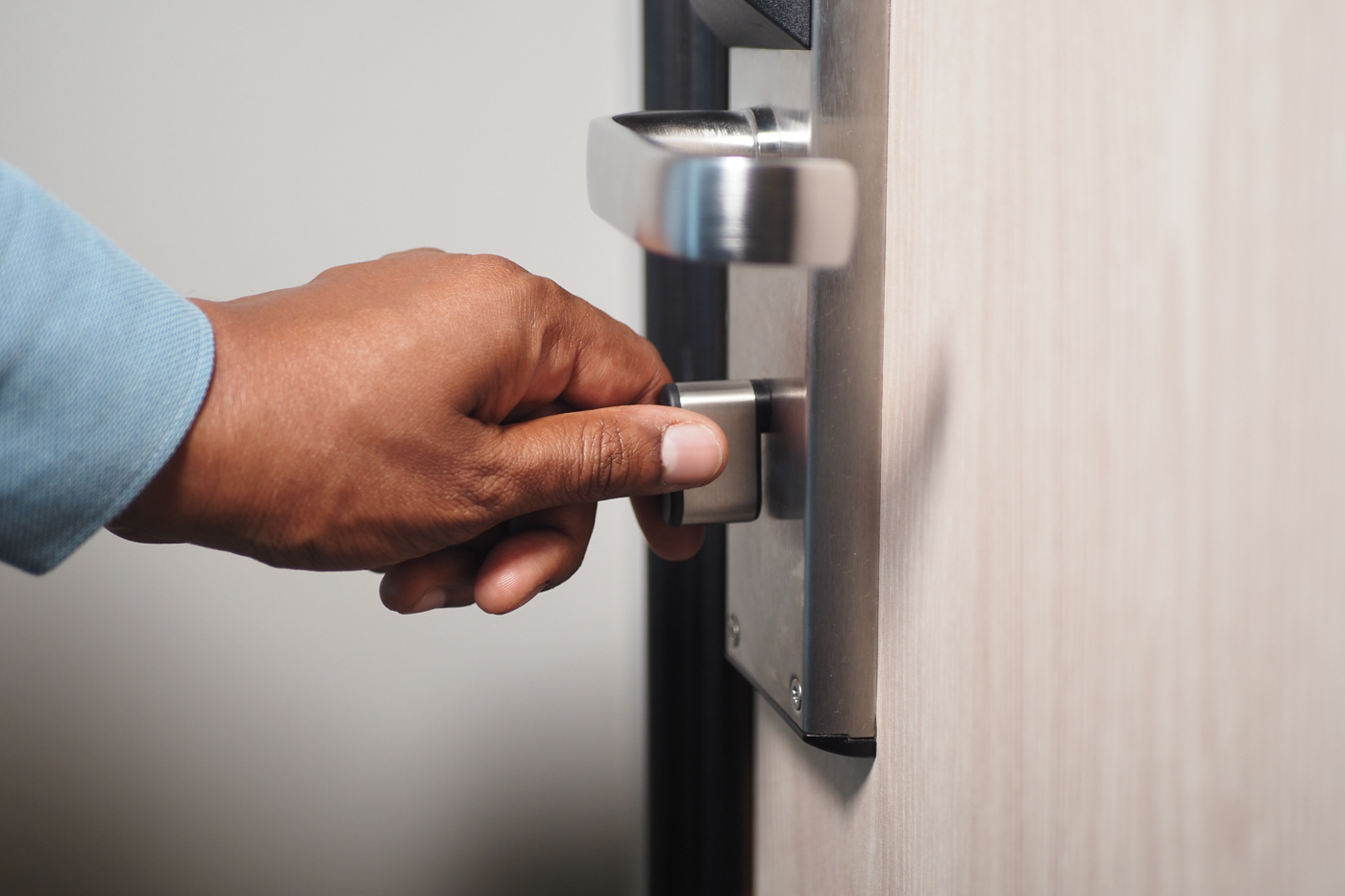
DIY vs Professional Locksmith Services
Is It Safe to Rekey or Replace Locks Yourself?
Many Canadian homeowners enjoy tackling do-it-yourself projects, and rekeying or changing locks might seem like an easy task. While there are lock rekeying kits and hardware store locksets available for purchase, it’s important to understand the risks and limitations of taking this route.
DIY Rekeying: What You Need to Know
Rekeying a lock requires specific tools and a good understanding of how pin tumbler systems work. If you’re not experienced, you risk damaging the lock or making it insecure. Incompatible pins or incorrect installation can lead to:
– Jamming or sticking locks
– Keys that don’t turn smoothly
– Reduced lock lifespan
– Compromised home security
DIY kits may save money upfront, but mistakes can lead to higher costs down the line if you need to replace the lock entirely.
DIY Lock Replacement: Pros and Cons
Replacing a lock is generally more straightforward than rekeying, especially with modern locksets that come with easy-to-follow instructions. However, even with simple hardware, you still need to ensure:
– The lock fits correctly in the door
– It’s properly aligned with the strike plate
– The door frame isn’t warped or weakened
Improper installation can reduce the effectiveness of the lock, especially in extreme Canadian weather where wood doors and frames expand and contract.
Why Hire a Professional Locksmith?
When it comes to home security, precision matters. Hiring certified locksmiths ensures the job is done right the first time. Professional locksmiths can:
– Assess the condition of your existing locks
– Recommend the most suitable lock options
– Rekey or replace locks without damage
– Ensure compliance with Canadian building codes
Fix Find’s residential locksmith services in Toronto are trusted by homeowners across the GTA for reliable, expert lock maintenance and security upgrades.
Emergency Lock Services
Emergencies don’t wait for business hours. If you’re locked out, lost your keys, or had a break-in, you need fast, professional help. Our team at Fix Find offers 24/7 emergency locksmith services in Toronto, so you’re never left stranded. We arrive quickly, rekey or replace locks as needed, and restore your home’s security without delay.
Choosing the Right Lock Options for Your Home
Traditional vs High-Security Locks
Not all locks are created equal. When deciding between rekeying and replacement, consider the quality of your current locks. Basic locks may be easy to rekey but might not offer the level of protection you need. If security is a top priority, upgrading to high-security locks could be a worthwhile investment.
Types of High-Security Locks
– **Deadbolts**: A must-have for exterior doors. Look for Grade 1 or 2 deadbolts (as rated by ANSI/BHMA) for maximum protection.
– **Smart Locks**: Allow keyless entry, remote control, and integration with home automation systems.
– **Key Control Systems**: These use patented keys that can’t be duplicated without authorization.
High-security locks often come with reinforced strike plates, anti-pick technology, and bump-proof features — ideal for Canadian homes in urban or high-risk neighbourhoods.
Smart Lock Systems in Canada
Smart locks are growing in popularity across Canada, especially among tech-savvy homeowners and property investors. They offer advanced features like:
– Bluetooth or Wi-Fi access
– Mobile app control
– Temporary or guest codes
– Real-time activity logs
While most smart locks require full replacement rather than rekeying, the added convenience and security can be worth the investment. Keep in mind that smart locks may need battery changes and regular software updates — something to factor into your long-term lock maintenance plan.
Weather Considerations for Canadian Homes
Canadian winters can be tough on exterior locks. Snow, ice, and freezing temperatures can cause traditional locks to jam or rust. When selecting lock options, choose hardware designed for cold climates. Look for:
– Weather-resistant coatings
– Heavy-duty materials (like stainless steel or brass)
– Enclosed keyholes to prevent freezing
If your locks are showing signs of corrosion or sticking during winter months, a full lock change may be a safer and more reliable option. Consult our professional locksmith services to ensure your locks are winter-ready.
Long-Term Lock Maintenance Tips
Why Lock Maintenance Matters
Whether you rekey or replace your locks, regular maintenance is crucial to keep them working smoothly and securely. Many homeowners overlook this, but proper upkeep can extend the life of your locks and prevent costly repairs.
Simple Lock Maintenance Tips
– **Lubricate locks**: Use a graphite-based lubricant every 6-12 months to keep the mechanism smooth. Avoid oil-based sprays which can attract dust.
– **Check alignment**: Ensure the door and lock are properly aligned. Misaligned doors can strain the lock and cause premature wear.
– **Inspect for wear**: Look for signs of rust, sticking, or loose screws. These issues can be fixed early before they lead to failure.
– **Weatherproofing**: Use weatherstripping and door sweeps to protect locks from moisture and freezing.
Staying on top of lock maintenance not only improves performance but also enhances your home’s overall security.
When to Call a Locksmith for Maintenance
If your lock starts to feel stiff, the key is hard to turn, or the deadbolt doesn’t fully engage, it’s time to call a locksmith. These signs could indicate internal wear or misalignment that should be addressed before the lock fails completely.
Fix Find’s lock service experts can perform a full inspection, rekeying, or replacement as needed, ensuring your locks are always in top condition.
Cost-Effective Security Improvements for Homeowners
Maximizing ROI on Lock Services
For budget-conscious homeowners, rekeying is often the most affordable way to boost home security. However, investing in one or two high-security locks on key entry points (like the front and back doors) can offer a major upgrade without replacing every lock.
Combination Strategies
You don’t have to choose between rekeying and replacing exclusively. Many homeowners in Canada use a combination approach:
– Rekey internal or secondary doors for uniform key access
– Replace exterior or vulnerable entry points with smart or high-security locks
This method balances cost, convenience, and safety while improving overall home protection.
Insurance Benefits of Security Upgrades
Some Canadian insurance companies offer discounts for homes with upgraded locks, especially those that meet CSA or UL standards. Ask your provider if you qualify for reduced premiums by installing deadbolts, smart locks, or tamper-resistant hardware.
Security upgrades can also boost your home’s resale value — a selling point appreciated by prospective buyers looking for peace of mind.
Security for Vehicles and Outbuildings
Don’t forget other important areas of your property. Garages, sheds, and even vehicles should be secured with quality locks. If you’ve lost car keys or need better control over vehicle access, Fix Find also offers expert car locksmith services to keep your entire property protected.
Conclusion: Making the Right Choice for Your Home
Choosing between rekeying locks and full lock replacement depends on your specific situation, budget, and overall security goals. If your existing locks are in good shape and you simply need a key change, rekeying is a quick, cost-effective solution. On the other hand, if you’re dealing with worn-out locks, want to upgrade to smart technology, or require enhanced protection, a lock change is likely the better option.
No matter which route you choose, regular lock maintenance and professional installation are key to ensuring long-term security. Fix Find’s expert locksmiths are here to help you make the most informed decision for your home, whether you’re a new homeowner, upgrading your lock systems, or responding to an emergency.
If you’re unsure which lock option is best for your home, contact our team for trusted, local advice and service. With years of experience across Toronto and other Canadian cities, Fix Find is your go-to source for reliable, professional locksmith solutions.
Ready to upgrade your home’s security? Trust the experts at Fix Find — your local partner for all things locks, keys, and peace of mind.

