

The evolution of lock technology in the digital age has transformed home security for Canadians, from traditional keys to smart, biometric, and electronic systems. Discover how modern locks are reshaping safety, convenience, and peace of mind for homeowners across Canada.
The Journey from Traditional to Digital: A Brief History of Lock Technology
Early Mechanical Locks: The Foundation of Security
Locks have been around for thousands of years. From the wooden pin locks used in ancient Egypt to the metal warded locks of medieval Europe, the core purpose has always been the same: to keep people and property safe. These early designs were mechanical and required physical keys to operate. While they were innovative at the time, they offered limited protection by today’s standards.
In Canada, many homes built before the 1980s still use deadbolts and knob locks that rely on these mechanical systems. Though these traditional locks help deter casual intruders, they are often vulnerable to picking, bumping, and other forced entry methods.
The Rise of Cylinder Locks and Deadbolts
The 20th century brought more advanced lock technology, including the pin tumbler cylinder lock, which is still widely used today. This design added an extra layer of complexity, making it harder for unauthorized individuals to gain access.
Deadbolts, especially when installed with a reinforced strike plate, became the gold standard for residential security in Canada. Many homes across provinces like Ontario, British Columbia, and Alberta still rely on these modern mechanical locks. However, as security needs evolve, so too does the technology behind locks.
Limitations of Traditional Lock Systems
While mechanical locks have served generations of Canadians well, they come with drawbacks:
- Physical keys can be lost, stolen, or duplicated.
- Locks can be picked or bumped with the right tools.
- Managing access for multiple people can be a hassle.
- There’s no way to track who entered or when.
These limitations paved the way for digital innovation and smarter security options.
Understanding Digital Locks: A New Era of Smart Security
What Are Digital Locks?
Digital locks are a type of electronic security system that eliminates the need for traditional keys. Instead, they use keypads, RFID cards, Bluetooth, Wi-Fi, or biometric recognition to grant access. These modern locks are gaining popularity across Canada, especially in urban areas like Toronto, Vancouver, and Calgary, where homeowners seek both convenience and enhanced protection.
Types of Digital Locks
1. Keypad Locks
Keypad locks require users to enter a PIN code on a numeric pad to unlock the door. These are common in both residential and commercial settings. Homeowners appreciate the simplicity—no need to carry keys, just remember the code.
2. Smart Locks
Smart locks are connected devices that can be controlled remotely via smartphone apps. They often integrate with smart home systems like Google Home, Amazon Alexa, or Apple HomeKit. Features include:
- Remote locking and unlocking
- Temporary access codes for guests
- Activity logs to track who accessed the home
Smart locks offer a balance between convenience and security, making them a favourite among tech-savvy Canadians.
3. Biometric Locks
Biometric locks use fingerprints, facial recognition, or even retina scans to verify identity. They’re often seen in high-security environments but are becoming more accessible to homeowners. These locks provide a high level of security because biometric data is unique and hard to replicate.
If you’re considering a secure lock upgrade for your home, residential locksmith services in Toronto can help you choose and install the right digital solution.
4. Bluetooth and Wi-Fi Locks
These locks connect to your smartphone via Bluetooth or Wi-Fi. They’re often used in smart homes and vacation rentals. Bluetooth locks typically require close proximity, while Wi-Fi-enabled locks allow for full remote access and control.
Benefits of Switching to Digital Locks
Digital locks come with a range of benefits for Canadian homeowners:
- Keyless entry: No more lost or duplicated keys.
- Remote access: Lock or unlock your door from anywhere.
- User management: Grant and revoke access easily.
- Time-based codes: Perfect for dog walkers, cleaners, or Airbnb guests.
- Activity tracking: See who entered and when.
Challenges and Considerations
Despite the advantages, digital locks are not without their challenges:
- Power outages or dead batteries can disable the system.
- Some systems may be vulnerable to hacking if not properly secured.
- Initial cost is higher than traditional locks.
That said, many of these issues can be mitigated with proper installation and maintenance. Fix Find’s certified locksmith technicians are trained to identify and resolve these concerns, ensuring your home remains secure in any situation.
Biometric and Keyless Systems: The Future of Residential Security
How Biometric Locks Work
Biometric locks rely on personal identifiers—such as fingerprints, facial features, or retinal patterns—to verify access. Once a user is registered, the system compares their biometric input against stored data to allow or deny entry. These locks are incredibly accurate and fast, often unlocking in less than a second.
Advantages of Biometric Locks for Canadian Homes
For homeowners seeking top-tier security, biometric locks offer:
- High security: Biometric data is extremely difficult to forge.
- No keys or codes: You never have to remember a password or PIN.
- Fast access: Ideal for busy households or those with mobility issues.
While they’re more expensive up front, biometric systems can be a worthy investment, especially in high-value properties or areas with higher security concerns.
Keyless Entry Systems: Convenience Meets Control
Keyless systems can include anything from keypad locks to smartphone-controlled smart locks. They remove the need for physical keys entirely, offering unparalleled convenience for families, landlords, and even small business owners.
If you’re managing a multi-unit building or running a home-based business, commercial locksmith services in Toronto can help you scale keyless systems for your security needs.
Canadian Building Code and Security Standards
When installing any type of lock—especially electronic or biometric—it’s important to ensure compliance with Canadian building codes and safety standards. For example:
- Exterior doors must have secure locking mechanisms that allow for egress in emergencies.
- Electronic locks must comply with local fire safety regulations.
Working with a professional locksmith ensures that your installation is both legal and secure.
Lock Innovation and the Role of Integrated Security Systems
What Is Lock Innovation?
Lock innovation refers to the ongoing improvements in design, technology, and materials used in modern locks. Today’s locks are not just about keeping doors closed—they’re part of a larger home security ecosystem that includes surveillance, alarms, and automation.
Integration with Smart Home Devices
Modern locks now integrate with smart home platforms, allowing homeowners to:
- Lock or unlock doors with voice commands
- Get mobile notifications for every entry
- Automatically lock doors at set times
- Sync with security cameras for visual verification
These integrated solutions offer peace of mind, especially for frequent travellers or families with children. They also support remote property management and are ideal for vacation homes or rental properties.
Electronic Security Beyond the Front Door
Lock advancement doesn’t stop at the front door. Canadian homeowners are now embracing digital solutions for:
- Garage doors with smartphone access
- Window locks with sensors and alerts
- Patio doors with smart locking features
- Home safes with fingerprint recognition
If you’ve locked yourself out of your vehicle or need fast service, Fix Find’s car locksmith experts can help you regain access with minimal hassle.
The Role of AI and Machine Learning in Security Technology
As artificial intelligence grows, we’re beginning to see its role in lock technology. Smart locks now use machine learning to:
- Recognize user patterns and alert on unusual activity
- Suggest optimal security settings based on usage
- Identify attempted breaches in real time
This level of intelligence turns your lock from a passive device into an active component of your home’s defence strategy. AI-powered locks are still in early stages but are expected to become a major trend in future locks.
Practical Tips for Homeowners Upgrading to Modern Locks
Thinking of upgrading? Here are a few tips for Canadian homeowners:
- Choose a lock that fits your lifestyle and household size
- Consider battery life and backup entry options for electronic locks
- Work with a professional to ensure proper installation and code compliance
- Regularly update firmware on smart devices to prevent hacking
- Use two-factor authentication where available
If you need expert locksmith advice on what system suits your home best, contact our emergency locksmiths in Toronto for a quick consultation or same-day service.
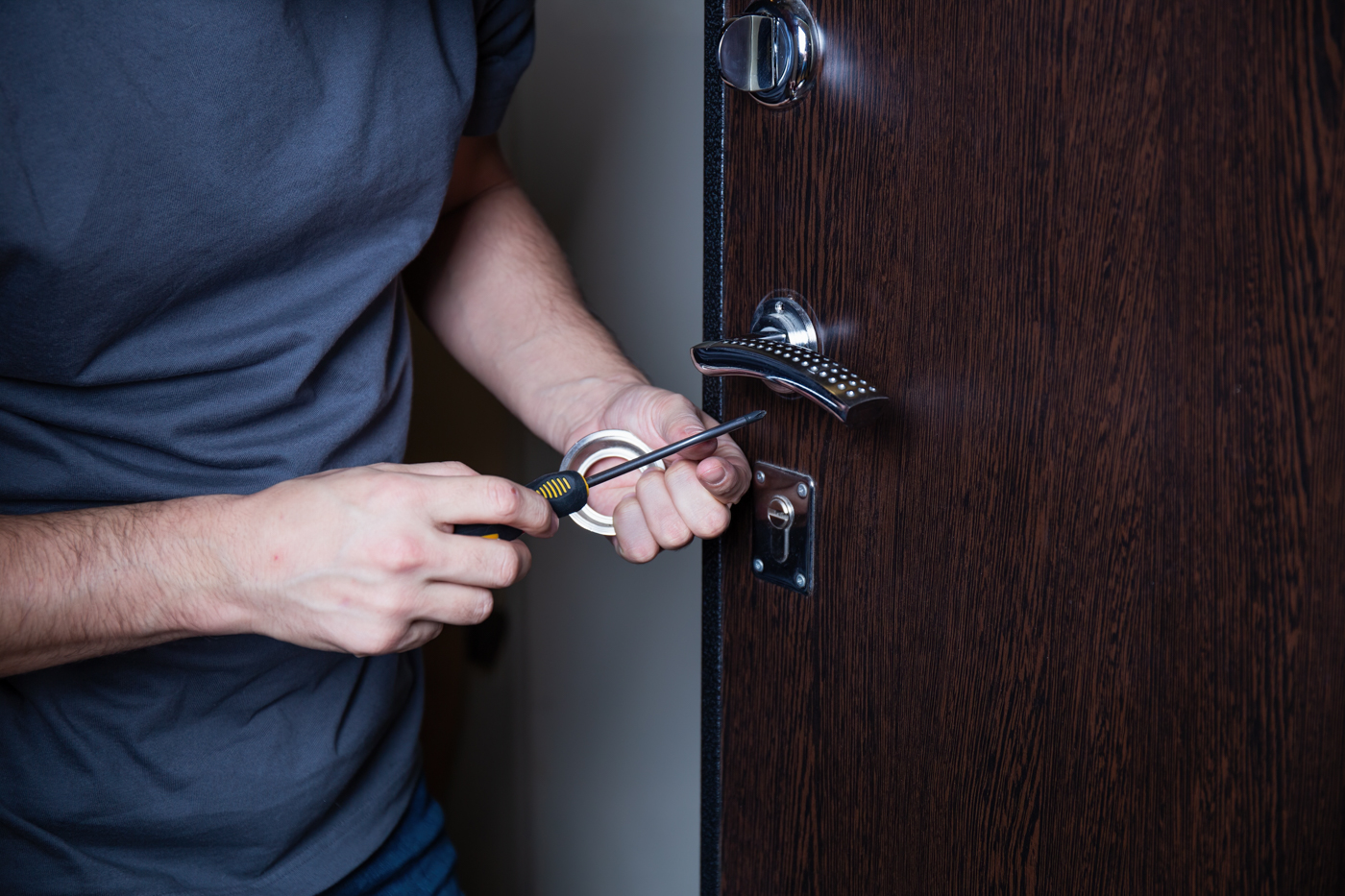
How Lock Advancement Is Shaping the Future of Canadian Home Security
Smart Locks and the Connected Home
The concept of the connected home has rapidly gained traction in Canada, with smart locks playing a central role in this transformation. These modern locks are no longer standalone devices; they are part of a wider security network that includes doorbell cameras, motion sensors, and home automation systems.
When integrated with smart home hubs, smart locks can:
- Automatically unlock when your smartphone is nearby
- Trigger lights to turn on when you arrive home
- Send real-time alerts if someone tries to tamper with the lock
- Automatically lock doors at bedtime or when you leave
This level of automation not only enhances security but also provides peace of mind. For busy Canadian families, it’s one less thing to worry about in their daily routine.
Custom Schedules and Automation
Modern locks can be programmed to lock or unlock on a schedule. This is especially helpful for families with school-age children who come home at set times or for anyone who wants to ensure doors are locked every night without having to remember.
Smart locks also allow for hands-free operation, which is particularly useful during Canadian winters when you’re juggling groceries while wearing gloves. With voice commands through a smart assistant, you can unlock your door without touching a thing.
Data-Driven Security Decisions
Smart locks offer detailed reports on who accessed the door and when. This is especially helpful for:
- Parents monitoring children’s arrival times
- Landlords managing multiple tenants
- Small business owners tracking employee access
The ability to review this data helps homeowners make better security decisions and respond proactively to unusual activity. It also provides a level of accountability that traditional locks simply can’t offer.
Key Considerations When Choosing Modern Locks
Compatibility with Existing Doors and Frames
Not all smart or biometric locks are compatible with every type of door. In Canada, many homes—especially older ones—have custom or non-standard door frames. Before upgrading, it’s important to assess:
- Door material (wood, metal, or fibreglass)
- Lock bore size and spacing
- Weather resistance of outdoor locks
Working with professional locksmith services ensures that the chosen lock fits properly and functions safely, even in extreme Canadian weather.
Power Source and Battery Backup
Most digital and smart locks run on batteries. It’s essential to:
- Choose a model with long battery life (6-12 months typical)
- Enable low-battery notifications through the app
- Have a manual key override or emergency charging option
Canadian winters can affect battery performance, so selecting a lock rated for cold temperatures is crucial. Some locks also include solar charging options, ideal for off-grid or eco-conscious homes.
Security Certifications and Encryption
When choosing a smart or biometric lock, look for certifications such as:
- ANSI/BHMA Grade 1 or 2 (indicates durability and reliability)
- CSA Group or UL certification for Canadian compliance
- End-to-end encryption for data protection
These certifications ensure your lock meets both physical and digital security standards. In today’s world, physical strength and cybersecurity go hand in hand.
User Access Controls
The ability to manage user access is a key feature of digital locks. Look for locks that allow:
- Permanent and temporary PIN creation
- Visitor access scheduling
- Bluetooth or app-based access sharing
This is especially important for Airbnb hosts, rental property owners, or homeowners who frequently have service professionals entering their home. For larger properties or shared spaces, commercial locksmith services in Toronto can help implement scalable access control systems.
Security Technology Trends to Watch in Canada
Biometric Advancements
Biometric lock technology is becoming more refined and accessible. New developments include:
- Multimodal systems that combine fingerprint and facial recognition
- Faster, more accurate sensors
- Encrypted biometric data storage in the cloud
These improvements make biometric locks more appealing for residential use, particularly in luxury homes or high-risk areas where added security is paramount.
Cloud-Connected Lock Systems
Cloud connectivity allows homeowners to manage locks from anywhere in the world. Canadian snowbirds, for example, can monitor their property while wintering in warmer climates. Benefits include:
- Instant alerts for unauthorized access
- Remote locking and unlocking
- Access history stored securely online
However, cloud systems must be secured with strong passwords and two-factor authentication to prevent cyber threats.
Voice Assistant Integration
Voice control is another growing trend, with locks now working seamlessly with:
- Amazon Alexa
- Google Assistant
- Apple Siri
This allows for hands-free access, particularly useful for seniors or individuals with mobility challenges. A simple command like “Hey Google, lock the front door” adds convenience and safety for Canadian households.
AI and Predictive Security
As lock technology evolves, artificial intelligence will play a larger role. Future locks may be able to:
- Predict security risks based on usage patterns
- Adjust settings automatically for holidays or travel
- Trigger alarms based on behavioural anomalies
These innovations will make future locks more proactive in protecting homes, reducing the need for manual intervention while increasing overall security.
When to Call a Professional Locksmith
Installation of Advanced Lock Systems
While DIY options are available, installing smart or biometric locks often requires professional expertise. A certified locksmith ensures:
- Correct alignment and secure mounting
- Integration with existing smart home systems
- Compliance with local building codes
Improper installation can lead to malfunction, damage, or even a security breach. If you’re upgrading to digital locks, it’s best to work with residential locksmith experts in Toronto who are familiar with Canadian homes and climate conditions.
Emergency Lockouts and Repairs
Even the most advanced locks can fail or run out of power. That’s when emergency locksmith services in Toronto become essential. Whether you’re locked out of your smart home or dealing with a malfunctioning biometric lock, professional technicians can:
- Regain access without damaging the door
- Replace components or batteries on the spot
- Reprogram or reset digital systems
Emergency locksmiths are trained to handle both traditional and high-tech locking systems, ensuring fast, reliable service when you need it most.
Upgrading Lock Systems During Renovations
If you’re renovating your home, it’s the perfect time to upgrade your lock system. Integrating smart or keyless locks during construction makes installation easier and more cost-effective. A professional locksmith can:
- Recommend lock styles that match your décor
- Ensure proper wiring and network setup if needed
- Install multiple locks for seamless access control
Whether you’re building a new home or upgrading an existing one, Fix Find’s certified locksmiths can help you plan and execute a secure, modern locking system that meets your needs.
Conclusion: Embracing the Future of Lock Technology
Lock technology has come a long way—from mechanical deadbolts to intelligent, biometric, and cloud-connected systems. For Canadian homeowners, these advancements offer more than just convenience; they provide control, peace of mind, and a higher standard of home protection.
Modern locks are more than security devices—they are smart tools that integrate with your lifestyle, adapt to your needs, and keep your property safe in an increasingly digital world. Whether you’re looking to upgrade a single lock or overhaul your entire home security system, Fix Find is here to help.
Our team of experienced technicians understands the unique needs of Canadian homeowners. We offer expert guidance, professional installation, and fast emergency support across Toronto and beyond. If you’re ready to explore the latest in security technology, contact Fix Find today and let us help you secure your future—one smart lock at a time.

