

Learn how lock security grades work in Canada, what standards and certifications matter, and how to choose the right lock for your home or business. This guide breaks down Canadian lock ratings to help you improve your property’s safety and security.
Understanding Lock Security Grades in Canada
When it comes to protecting your home or business, the quality of your locks is one of the most important factors to consider. In Canada, different lock grades and security standards help homeowners and business owners determine the strength, durability, and reliability of various lock types. Whether you’re replacing a front door lock or upgrading security systems in a commercial property, understanding these lock ratings can help you make a more informed decision.
In this article, we’ll take you through the essentials of lock certification, security grading, and how Canadian standards compare to international benchmarks. We’ll also offer expert advice on how to choose the right lock based on your needs—whether for residential, commercial, or emergency situations.
What Are Lock Security Grades?
Lock security grades are classifications assigned to locks based on how well they perform under certain testing conditions. These grades help consumers and locksmiths identify the level of security a particular lock provides. Locks are tested for durability, resistance to force, resistance to picking or drilling, and overall performance over time.
Most grading systems are developed by organizations that set security standards. In Canada, we often refer to standards set by the Canadian Standards Association (CSA) and the American National Standards Institute (ANSI)Underwriters Laboratories (UL) or BHMA (Builders Hardware Manufacturers Association).
Why Lock Ratings Matter
Choosing a lock without understanding its rating can leave your home or business vulnerable. A lock may look strong, but if it hasn’t been tested or certified, you have no way of knowing how it will perform under stress or attempted break-ins. Lock security levels provide a clear, reliable way to compare products and choose the right level of protection.
For example, a Grade 3 lock may be acceptable for interior doors, but for exterior entrances or commercial properties, a Grade 1 lock is usually recommended. Knowing the difference can be the key to proper security.
Canadian Lock Grading Systems and Standards
In Canada, we follow a combination of local and international standards to determine lock quality. While ANSI/BHMA standards are commonly used, Canadian building codes may also influence what type of lock is suitable for your property.
ANSI/BHMA Lock Grades Explained
The ANSI/BHMA grading system is the most widely used standard in North America and is accepted throughout Canada. Locks are tested and graded from Grade 1 (highest) to Grade 3 (lowest) based on their performance during rigorous testing procedures.
Grade 1 – Maximum Security
- Recommended for commercial properties and high-security residential applications
- Tested to withstand over 800,000 cycles (open and close operations)
- Can resist significant force, usually over 360 pounds
- Offers the highest level of pick, drill, and kick-in resistance
Grade 2 – Intermediate Security
- Suitable for residential front doors or light commercial use
- Tested for 400,000 cycles or more
- Good resistance to force and tampering
Grade 3 – Basic Security
- Primarily for interior doors or areas with minimal security concerns
- Tested for 200,000 cycles
- Limited resistance to forced entry
If you’re not sure which grade is right for your property, contact our certified technicians for a professional assessment. We can recommend the best locks that meet both your budget and security needs.
CSA and Canadian Building Codes
The Canadian Standards Association (CSA) also offers guidelines on lock certification and testing. While many locks in Canada meet ANSI/BHMA standards, CSA standards are sometimes used in government and institutional applications to ensure compliance with national safety regulations.
In provinces like Ontario or British Columbia, building codes may require specific lock types for fire exits, accessibility, and emergency egress. That’s why it’s important to work with a local locksmith who understands regional requirements and can ensure your locks are fully compliant.
UL (Underwriters Laboratories) Ratings
UL is a global safety certification company that tests locks for fire resistance, break-in resistance, and other performance standards. UL-listed locks are often used in commercial buildings, especially where insurance or legal compliance is a factor.
For example, a UL 437 rating indicates a high-security lock that has passed tests for picking, drilling, and unauthorized key duplication. These locks are often recommended for safes, server rooms, and high-security environments.
How Lock Testing Works
Understanding how locks are tested can give you a better idea of their true performance. Testing is done in controlled environments where locks are subjected to stress, force, and durability tests that simulate real-world conditions.
Common Lock Tests Include:
- Cycle Testing: Simulates years of use by opening and closing the lock hundreds of thousands of times.
- Force Testing: Applies pressure (e.g., kick-ins, prying, or hammering) to test the lock’s resistance.
- Pick Resistance: Uses lock-picking tools to try and bypass the mechanism.
- Drill Resistance: Measures how well the lock holds up against drilling attempts.
Locks that pass these tests are certified and given a grade, which helps you compare them more easily. For homeowners, this means you can choose locks confidently, knowing they’ve been tested under tough conditions.
Lock Certification Labels to Look For
When shopping for locks in Canada, look for certification labels like:
- ANSI/BHMA Certified
- CSA Approved
- UL Listed (especially UL 437)
These labels indicate the lock has been tested and meets industry-recognized performance standards. If a lock doesn’t carry any certification, it may not offer reliable security—even if it looks sturdy or expensive.
Residential vs. Commercial Lock Standards
Not all locks are created equal, and the type of lock you need will depend on where it’s being used. Residential and commercial properties in Canada have different security requirements, and that’s where lock quality and certification come into play.
Residential Standards
For Canadian homes, the most common locks are deadbolts and knob locks. Your main concern as a homeowner is protecting against break-ins, so choosing a lock with a high security grade is essential. Ideally, exterior doors should use Grade 1 or Grade 2 deadbolts.
You’ll also want to consider smart locks and keyless entry systems, which are becoming increasingly popular in modern homes. These systems often meet the same security levels as traditional locks but offer added convenience and integration with home automation systems.
If you need expert locksmith help choosing or installing high-security locks, Fix Find’s professional locksmith services are available across Toronto and surrounding areas.
Commercial Standards
Commercial buildings, such as offices, retail stores, and industrial sites, require even stricter lock standards. These properties often contain sensitive data, expensive equipment, and high foot traffic, so locks must meet Grade 1 standards at a minimum.
Common commercial lock types include:
- Mortise locks
- Panic bars and exit devices
- Electronic keypad locks
- Magnetic locks with access control
These locks are often integrated with alarm systems, surveillance, and access control platforms. For businesses in Toronto, our commercial locksmith services are tailored to meet building code compliance and enhance business security.
Mixed-Use and Multi-Unit Buildings
Buildings that serve both residential and commercial purposes (like condos with retail space on the ground floor) need specialized locking systems that meet both sets of standards. In these cases, it’s important to consult with a locksmith who understands both residential and commercial codes.
Emergency Lock Situations
Sometimes, security upgrades are needed after a break-in or during an emergency. In these cases, time is critical, and having a trusted locksmith on-call can make a big difference. Whether you’re locked out or need to rekey your property fast, our emergency locksmith services in Toronto are available 24/7 to help.
Choosing the Right Lock for Your Property
Now that you understand how lock grades and testing work, how do you choose the right lock for your needs? Here are some practical tips and expert advice:
1. Evaluate Your Security Needs
Start by assessing the level of risk. Are you in a high-crime area? Do you have valuable items inside? Is this for a home, apartment, or commercial unit? Your answers will guide you toward the right lock grade and type.
2. Choose the Right Grade
- Grade 1: Best for commercial properties or high-risk residential areas
- Grade 2: Good for most Canadian homes, especially for front and back doors
- Grade 3: Suitable for interior doors or storage rooms
3. Consider Additional Features
Some locks come with added features like anti-pick pins, hardened steel inserts, or smart connectivity. These can increase your lock’s effectiveness and convenience. Just make sure any smart lock you choose is also certified for security.
4. Don’t Forget the Door Frame
A strong lock is only as good as the door and frame it’s attached to. Reinforce door frames and consider using longer screws in the strike plate to resist kick-ins. If you’re unsure how to do this, book a residential locksmith consultation for expert installation.
5. Use a Professional Locksmith
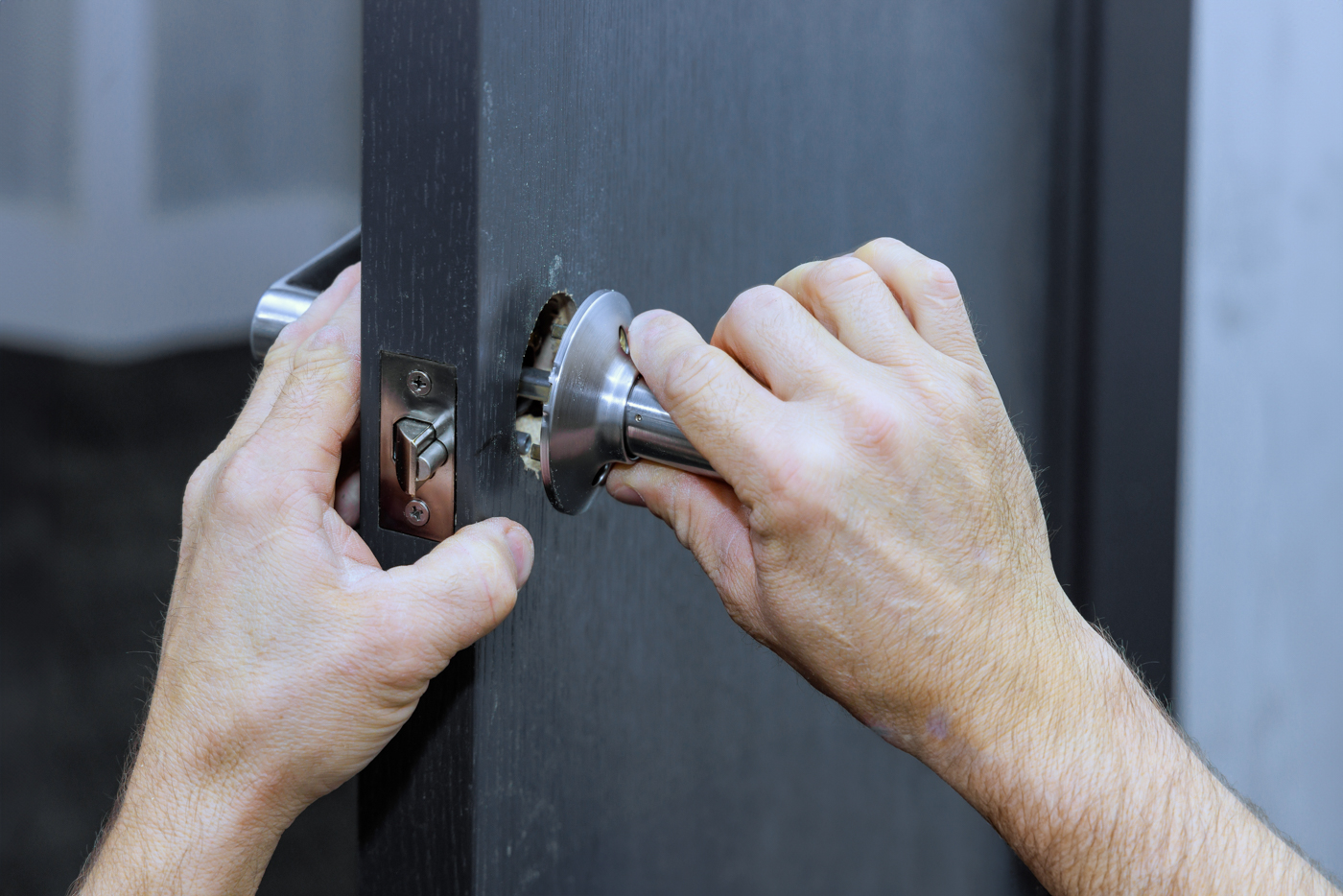
Installing a high-security lock isn’t always a DIY job. For best results, have a certified locksmith handle the installation. This ensures the lock is fitted correctly and functions at its full security level.
For professional locksmith services across Toronto and the GTA, Fix Find is your trusted source for expert advice, certified installations, and emergency support.
Advanced Lock Features and Technologies in Canada
As technology continues to evolve, so do the features available in residential and commercial locks. In addition to choosing the right security grade, many homeowners and business owners in Canada are now considering smart features, advanced materials, and innovative mechanisms that add extra layers of protection. While traditional locks still play a vital role, modern advancements offer more control, convenience, and confidence in your property’s security.
Smart Locks and Digital Entry Systems
Smart locks have quickly become a popular choice among Canadian homeowners and property managers. These locks allow you to control access remotely using smartphones, keypads, or biometric data like fingerprints. Many models can integrate with home automation systems such as Google Home, Apple HomeKit, or Amazon Alexa.
Benefits of Smart Locks:
- Keyless entry reduces the risk of lost or copied keys
- Access can be granted or revoked digitally
- Audit trails show who entered and when
- Some models include auto-locking and tamper alerts
Despite their convenience, it’s important to ensure that smart locks are also certified for security. Look for models that meet ANSI Grade 1 or 2 standards and are UL or CSA certified. For guidance on integrating smart locks into your home security system, our certified technicians can help you choose and install the best option for your needs.
High-Security Lock Cylinders
In high-risk situations, standard lock cylinders may not be enough. High-security cylinders are designed to resist picking, bumping, drilling, and key duplication. Brands that offer these products often use patented keyways, reinforced materials, and complex pin structures that make unauthorized access nearly impossible.
Key Features of High-Security Cylinders:
- Restricted key duplication through registered locksmiths only
- Drill-resistant housings and anti-pick pins
- Advanced key control systems
- Often meet or exceed UL 437 standards
These types of locks are ideal for both commercial properties and high-value residential homes in urban areas like Toronto, where security concerns may be higher. Fix Find’s commercial locksmith services can help you implement these advanced systems for added peace of mind.
Weather-Resistant and Tamper-Proof Locks
In Canada, weather conditions can be harsh—especially in winter. Locks installed on exterior gates, garages, or outbuildings need to be resistant to freezing, corrosion, and moisture. Weather-rated locks are built with protective coatings and internal seals that prevent water ingress and rust buildup.
Tamper-proof locks, on the other hand, are designed to resist common break-in techniques like prying, snapping, or torque attacks. These are particularly useful in areas prone to theft or vandalism. Many tamper-proof locks are also certified by UL or CSA and offer higher security levels across the board.
How to Maintain Lock Quality Over Time
Even the highest-rated lock will lose effectiveness if it’s not properly maintained. Environmental conditions, wear and tear, and lack of regular servicing can all affect a lock’s performance and security. Fortunately, there are some simple steps you can take to extend the life of your locks and keep them functioning at their best.
Regular Cleaning and Lubrication
Over time, dust, dirt, and moisture can accumulate inside a lock, leading to stiffness or malfunction. Use a dry cloth to wipe down the exterior and a graphite-based lubricant or silicone spray to keep the internal mechanisms moving smoothly. Avoid using oil-based lubricants, as they can attract more dirt and gum up the lock.
Inspect for Signs of Wear or Damage
Check your locks regularly for signs of rust, misalignment, or key resistance. If the key doesn’t turn easily or the lock feels loose in the door, it may be time for a repair or replacement. Catching these issues early helps prevent lockouts or security breaches later on.
Rekey as Needed
If you’ve moved into a new home, experienced a break-in, or lost your keys, rekeying your locks is a smart move. This process changes the internal pins so old keys no longer work, offering a cost-effective way to restore security without replacing the entire lock.
For fast, reliable service in these situations, our emergency locksmiths in Toronto are available 24/7 to help rekey or replace your locks on the spot.
Schedule Professional Inspections
Just like HVAC or plumbing systems, locks benefit from professional inspections. A certified locksmith can check alignment, test locking mechanisms, and ensure your locks meet current Canadian standards. For commercial buildings, annual inspections are often required for insurance or regulatory compliance.
How Canadian Standards Compare to International Security Levels
Canada’s lock standards are largely aligned with those in the United States due to the shared use of ANSI/BHMA and UL certifications. However, some European, Asian, and Australian locks follow different grading systems. Understanding these differences is important if you’re importing locks or evaluating international products.
Comparing ANSI/BHMA to European Standards
In Europe, the EN 12209 and EN 1303 standards are commonly used. Like ANSI, these grades test for durability, security, and corrosion resistance. However, European locks often have different cylinder sizes and mechanisms, which may not be compatible with Canadian doors without modification.
Canadian homeowners should always verify that imported locks meet local building codes and security expectations. When in doubt, stick to products certified by CSA, UL, or ANSI/BHMA to ensure full compliance and compatibility.
International Brands in the Canadian Market
Many international lock brands like Abloy, Mul-T-Lock, and Medeco are available in Canada and often exceed North American standards. These brands offer advanced security features like rotating disc cylinders, magnetic pin systems, and patented key control. These locks are ideal for high-security applications and are commonly used in government, healthcare, and financial institutions across Canada.
Common Myths About Lock Security Grades
With so many options and technical terms, it’s easy to misunderstand what lock security grades really mean. Let’s debunk some common myths to help you make more informed decisions.
Myth #1: All Locks Provide the Same Security
This is far from true. A Grade 3 lock installed on your front door offers significantly less protection than a Grade 1 lock. Security levels are determined through rigorous testing, and the differences in durability and strength are substantial.
Myth #2: Expensive Locks Are Always Better
Price doesn’t always reflect performance. Some decorative or designer locks may cost more due to materials or brand name but may not carry any security certification. Always check the lock’s grading and certification, regardless of price.
Myth #3: Smart Locks Aren’t as Secure
While early models had vulnerabilities, today’s smart locks often meet the same ANSI and UL standards as traditional locks. Just make sure the model you choose is certified and includes features like encryption and two-factor authentication.
Myth #4: I Don’t Need a High-Grade Lock in a Safe Neighbourhood
Even in low-crime areas, quality locks help prevent crimes of opportunity. Plus, high-security locks offer added protection against lost or copied keys, which can occur anywhere. Peace of mind and long-term protection are worth the investment.
Why Lock Certification Matters for Insurance and Compliance
In many cases, choosing a lock with proper certification isn’t just about safety—it’s also about meeting requirements set by your insurance provider or local regulations. In Canada, especially in commercial settings, using certified locks can impact your coverage and liability.
Insurance Requirements
Some home and business insurance policies require locks to meet a specific grade or certification level. Failure to comply could result in denied claims if a break-in occurs and the locks were deemed inadequate. Always check with your provider to understand their expectations for lock ratings and security standards.
Building and Fire Code Compliance
Canadian building codes often dictate the type of locks required on certain doors, especially in multi-unit buildings, schools, and commercial facilities. For example, fire exits must have panic hardware, and certain doors must allow egress without keys. Certified locks ensure you’re compliant with both safety and accessibility laws.
Legal Liabilities
In the event of a security breach, having the wrong type of lock could expose property owners to legal liability—especially if it’s found that the lock did not meet industry standards. Using certified, properly installed locks helps protect not only your property but also your legal standing.
Conclusion: Secure Your Property with Certified Lock Solutions
Understanding lock security grades and Canadian standards is an essential part of protecting your home or business. From ANSI/BHMA ratings to CSA and UL certifications, these grading systems help ensure your locks are built to withstand real-world threats. Whether you’re a homeowner looking for peace of mind or a business owner securing valuable assets, making informed decisions about lock quality and certification can make all the difference.
If you’re ready to upgrade your security or need help choosing the right locks, Fix Find’s professional locksmith services are here to help. Our certified technicians provide expert installations, emergency support, and guidance tailored to your unique needs. Serving Toronto and the surrounding areas, we’re your local partner in keeping your property safe and secure.
Don’t leave your security to chance—trust the experts at Fix Find for certified lock solutions, smart installations, and peace of mind that lasts.

